Talk to us

A libero volleyball is a specialized defensive player who focuses on serve receive, passing, digging attacks, and keeping the ball in play. You can usually spot the libero because they wear a jersey that looks different from the rest of the team.
Among the different volleyball positions, the libero has a specific job: helping the team defend well and giving the setter a better first pass. Here’s a closer look at what the position involves, the rules that apply, and the skills players need to develop.
What Is a Libero Volleyball?
The libero volleyball is a player specialist in defense who mainly plays in the back row. They receive serves, dig attacks, cover teammates, and help keep rallies alive.
Unlike other players, a libero has special rules governing where they can play and how they enter and leave the game. Their contribution is not usually measured by how many points they score, but by how well they control the ball and help the team stay in the rally.
What Does a Libero Do in Volleyball?
A libero volleyball player has several responsibilities during a match.
1. Serve-Receive Anchor
The libero volleyball player is often an important part of the team’s serve-receive formation. They read the server, move into position, and try to direct the first pass toward the setter.
A controlled pass gives the team a better chance of setting up an attack.
2. Passing
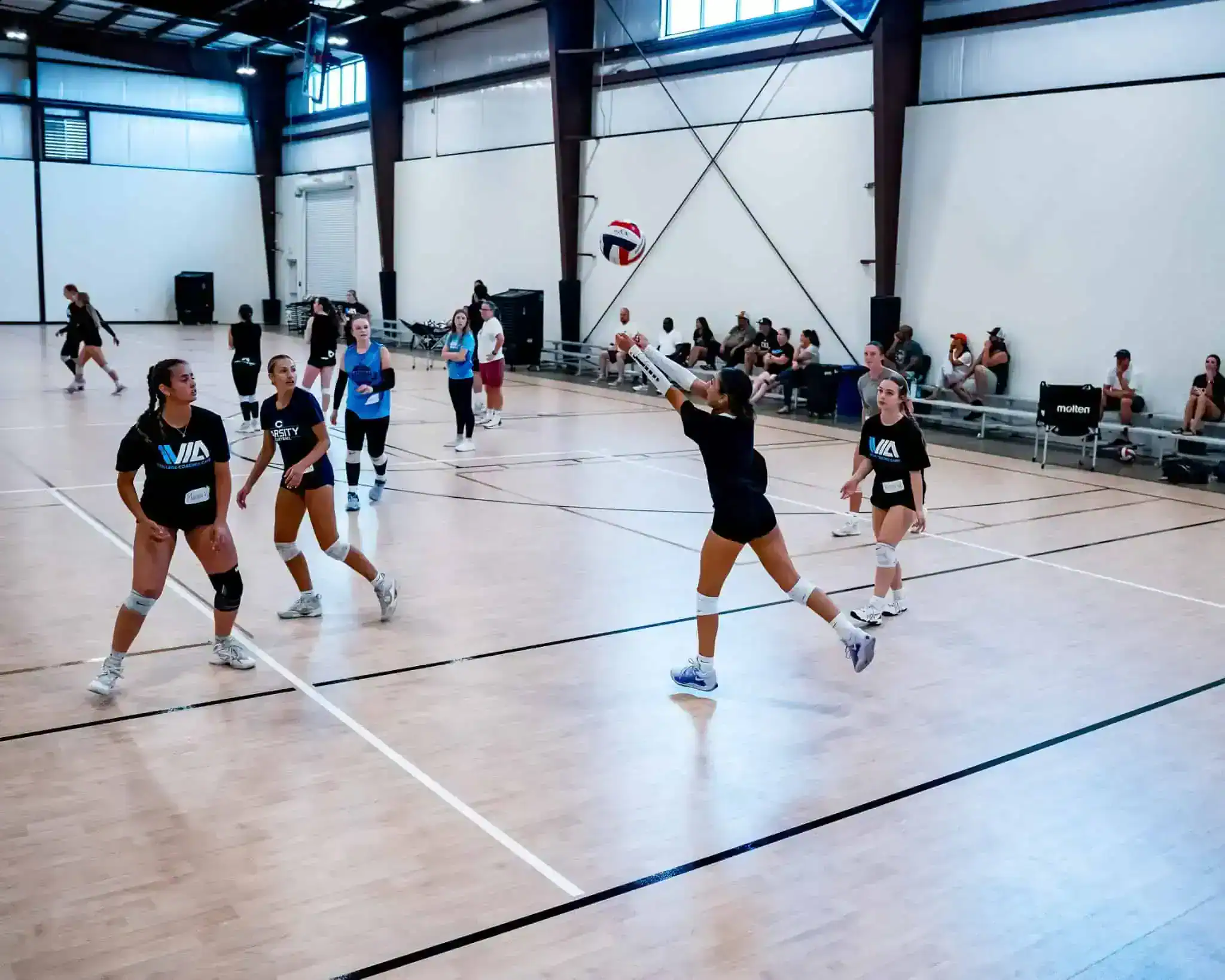
Passing is one of the most important skills for a libero. They need to control the ball with a steady platform and direct it accurately, even when a serve comes fast, short, or toward the sideline.
3. Digging Attacks
When an opponent spikes the ball, the libero needs to react quickly and get into position to defend it. Reading the hitter’s approach and watching the direction of the attack can help them anticipate where the ball might go.
4. Covering Teammates
A libero must stay alert after an attack, too. If the opposing block touches the ball and sends it back into the court, the libero may need to recover quickly to keep the rally going.
5. Communicating on the Court
Calling the ball, helping organize serve receive, and communicating defensive responsibilities can prevent confusion. A libero who communicates clearly helps teammates react with more confidence.
6. Out-of-System Setting
Sometimes the setter cannot get to the second contact. In that situation, the libero volleyball player can help send a playable ball to an attacker. They need to be aware of the rules around overhead setting near the net, which can affect the next attack.
Why Does a Libero Wear a Different Color Jersey?
The different jersey is not simply a design choice. It helps everyone identify the libero quickly.
1. Referee Visibility & Tracking
Officials need to know who the libero volleyball player is because that player follows different rules from the rest of the team. A contrasting uniform makes the player easy to identify during fast exchanges.
2. Special Replacement Rules
Libero replacements are handled differently from normal substitutions. The contrasting jersey makes it easier for officials and scorers to track those entries and exits.
3. Rule Enforcement
A libero cannot block, cannot serve under FIVB rules, and cannot complete an attack hit when the ball is entirely above the top of the net. The different jersey helps referees recognize the player who is subject to those restrictions.
4. Fan & Spectator Clarity
It also helps people watching the match understand what is happening. Once you know that the player in the different jersey is the libero, you can quickly recognize who is responsible for much of the team’s back-row defense.
Libero Rules: What Can and Can’t a Libero Do?
Libero volleyball rules are one area where you need to know which ruleset you are playing under. FIVB, USA Volleyball, NCAA, and NFHS volleyball do not have completely identical rules, particularly when it comes to serving and libero designation.
| Question | General Rule |
|---|---|
| Can a libero serve? | It depends on the competition. FIVB international rules prohibit it, while some US rulebooks allow it in a designated rotation. |
| Can a libero attack? | A libero volleyball player cannot complete an attack hit when the ball is entirely above the top of the net at contact. |
| Can a libero block? | No. A libero cannot block or attempt to block. |
| Can a libero play front row? | The libero is restricted to the back-row role while designated as libero. |
| Can a libero set the ball? | Yes, but an overhead finger pass from the front zone restricts a teammate from completing an attack above net height from that ball. |
| Do libero replacements count as regular substitutions? | No. Libero replacements follow a separate procedure, with details depending on the competition. |
1. Can a Libero Serve?
This is one of the rules that changes depending on where the match is being played.
- USA Volleyball: Current USAV rules allow teams to designate up to two liberos for a set, and the libero may serve in the designated rotational position under the applicable rules.
- NCAA: NCAA volleyball also has its own libero serving provisions, including a designated serving position.
- NFHS/high school: Current NFHS rules allow up to two designated liberos per set, and a libero can serve in the designated serving position. The 2026-27 rules specifically clarify how two liberos can share that serving position.
- International/FIVB: Under the current FIVB rules, the libero cannot serve.
So if you are watching different levels of volleyball and notice a libero serving in one match but not another, that does not necessarily mean someone is breaking the rules.
2. Can a Libero Volleyball Player Spike or Attack?
A libero can send the ball over the net when the contact is legal, but cannot complete an attack hit when the ball is entirely above the top of the net at contact.
The restriction is not simply about whether the libero jumps. It concerns the attack hit and the height of the ball when contact is made.
3. Can a Libero Set With Their Hands?
Yes, a libero can use an overhead finger pass. However, if the libero makes that pass while in the front zone, a teammate cannot complete an attack hit on that ball while it is entirely above the net.
If the libero makes the overhead pass from behind the attack line, the teammate can attack the ball normally. This is why a libero may choose a forearm pass when close to the net.
How Many Liberos Are on a Volleyball Team?
A team can have more than one player designated as a libero, depending on the ruleset. For the current rules:
- NCAA women’s volleyball: Up to two liberos can be designated for each set.
- USA Volleyball: Teams can designate 0, 1 or 2 liberos for a set.
- NFHS 2026-27: Teams can designate up to two liberos for each set.
- FIVB: The rules provide for a libero and an optional second libero, with only one libero on the court at a time.
This is a good example of why you should always check the rules for the competition you are playing in rather than assuming every volleyball organization handles the position in exactly the same way.
How Does a Libero Rotation Work?
The libero replaces a designated back-row player through the libero replacement system. They can enter when that player is in the back row and leave when the original player needs to return under the rotation.
The libero cannot take on a front-row playing role while designated as libero. However, they can move around the backcourt as the rally develops.
You will often see a libero replace a middle blocker in the back row. Middle blockers are generally used for attacking and blocking at the net, while the libero brings specialist passing and defensive skills to the backcourt.
To understand how players move through their court positions, read our guide to volleyball rotations.
Libero vs. Defensive Specialist: What’s the Difference?
The libero and defensive specialist may perform similar tasks, particularly in passing and defense. The main difference is how each player is used and the rules they follow.
| Area | Libero | Defensive Specialist |
|---|---|---|
| Main role | Serve receive, digging, and back-row defense | Defensive support and passing |
| Uniform | Wears a contrasting jersey | Usually wears the team’s regular uniform |
| Entry into the game | Uses special libero replacements | Enters through regular substitutions |
| Substitution rules | Separate replacement procedure | Regular substitution limits apply |
| Playing role | Must follow libero restrictions | Can play other positions under normal rules |
A defensive specialist is a player used for a defensive role. A libero is a designated position with its own uniform, replacement procedures, and playing restrictions.
Common Mistakes Libero Volleyball Players Make
Even a player with good reactions can struggle if their basic habits need work.
- Swinging the Arms During Serve Receive: Large arm swings can make the pass difficult to control. Focus on a stable platform and adjust your body position to direct the ball.
- Standing Too Tall: An upright stance can make it harder to react to short serves and quick attacks. Stay balanced and ready to move rather than waiting flat-footed.
- Freezing When the Ball Is Tipped: Not every attack comes at full power. Keep reading the hitter and be prepared to move forward when the ball is tipped or rolled into open space.
- Not Calling the Ball: If nobody communicates, two players may go for the same ball or both assume the other will take it. Make clear calls and listen to your teammates.
- Chasing Every Ball: Being aggressive is important, but so is understanding your defensive responsibility. Trust teammates to cover their areas and stay ready for the balls you are responsible for playing.
If you want to work on first-contact control and defensive movement, explore these volleyball serve-receive drills.
Closing Thoughts
The libero volleyball player may not score the most points on the team, but the position can make a real difference to how a team performs. Good passing, timely digs, clear communication, and an understanding of the rules help keep rallies alive and give teammates more chances to attack.
Players looking to develop their volleyball skills can explore VVA in Fresno
FAQs
-
Should a young volleyball player specialize as a libero?
Not necessarily. Young players can benefit from learning different parts of volleyball before settling into a preferred position. Passing, serving, setting, attacking, and defense all help develop a better understanding of the game.
-
Can a tall player be a libero?
Yes. There is no general rule requiring a libero to be short. Passing ability, movement, anticipation, and defensive awareness are important qualities for the position.
-
Can a libero play another position?
A coach may use the same athlete in another position when the competition’s rules and lineup allow it. However, while designated and playing as the libero, the player must follow the libero’s specific restrictions.
-
What should a beginner libero practice first?
Start with a balanced defensive stance, controlled forearm passing, and footwork. Once those fundamentals become comfortable, work on serve receive, reading hitters, and digging attacks.
-
How often should a libero practice defensive skills?
Liberos should work on passing, serve receive, digging, and defensive footwork regularly as part of team practice. Short, focused sessions outside regular practice can also help players improve consistency, provided they have enough time to recover.
The right frequency depends on the player’s age, experience, training schedule, and season demands. Rather than adding more repetitions for the sake of it, focus on controlled technique, reading the ball, and making accurate passes under game-like conditions.