Talk to us

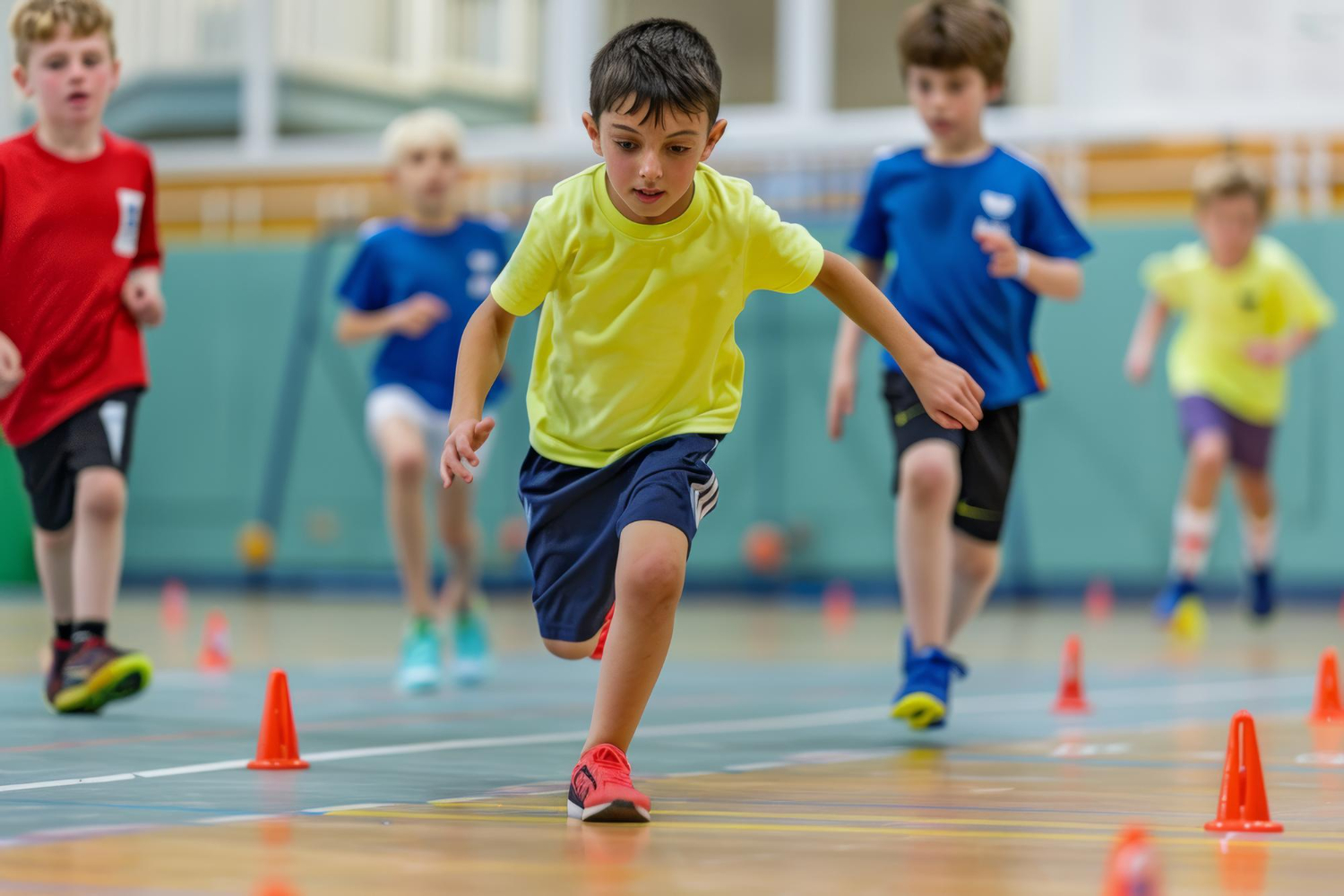
For young athletes, being consistent is necessary, but so is properly balancing their bodies and moving efficiently. Poor coordination, slow reaction time, and awkward movement patterns can limit their performance and increase injury risk. And that’s why speed and agility training is essential.
What Is Speed Training for Young Kids?
Speed training for kids focuses on teaching their bodies how to move quickly with proper mechanics. It is not about sprinting endlessly or pushing children to the point of exhaustion. For young kids, this training builds a foundation for almost every sport.
At a young age, speed training focuses more on a child’s running posture and form, arm action, and quick acceleration. As kids grow, these speed training exercises become more structured and help them generate speed efficiently while staying balanced and controlled.
What Is Agility Training for Young Athletes?
Agility training teaches kids how to change direction, stop, start, and react quickly while maintaining their balance and controlling their bodies. It focuses on coordination, footwork, and decision-making rather than raw speed.
Agility drills often involve cones, ladders, or reaction cues that challenge the brain and body together. This makes agility training especially valuable for developing movement confidence in young athletes.
Benefits of Speed & Agility Training
Training both speed and agility together is important for young athletes. It helps them move fast while staying balanced, controlled, and safe during play.
While speed focuses on how quickly an athlete can move in one direction, agility, on the other hand, focuses on how well that athlete can stop, change direction, and react. When both are trained together, movement becomes more efficient and game-ready.
- Build Complete Movement Skills: With speed training, kids learn how to run efficiently. Agility training adds control, balance, and coordination to that speed. Together, they create well-rounded movement instead of one-dimensional quickness.
- Improve Real Game Performance: Not all sports involve running in straight lines for long periods. Athletes often need to sprint, stop, cut, and react quickly, which requires both speed and agility.
- Help Kids React Faster: Agility drills train the brain to process visual and verbal cues quickly. Speed training gives the body the power to act on those decisions. This combination helps young athletes respond faster during unpredictable situations.
- Reduce Injury Risk: Training speed without control increases the risk of poor landings and awkward stops. Agility training teaches proper deceleration and body positioning, which helps protect joints and soft tissues during fast movements.
- Improve Movement Efficiency: When kids learn to move quickly and change direction efficiently, they waste less energy. This allows them to stay active longer during practices and games without excessive fatigue.
- Support Long-Term Athletic Development: Speed and agility training together help build strong movement patterns early. These patterns carry over as kids grow, making future skill development easier and safer across all sports.
Age-Wise Agility & Speed Training for Kids
| Age Group | Main Focus | Typical Drills | Primary Goal |
|---|---|---|---|
| Ages 6-10 | Coordination and balance | Games, light sprints, ladders | Build confidence and movement skills |
| Ages 11-13 | Technique and control | Cones, short sprints, reaction drills | Improve mechanics and body control |
| Ages 14+ | Performance and explosiveness | Reactive agility, deceleration drills | Enhance sport-ready movement |
Speed and agility training should evolve as a child grows physically and mentally. Younger kids need fun, movement-based activities, while older ones benefit from more structured and sport-specific training.
Grouping training age-wise helps ensure there’s proper muscle engagement and steady athletic development.
-
Early Youth (Ages 6-10)
-
Focus:
At the early stages, the main training focus for children should be on building basic movement skills rather than performance. The training should emphasize coordination, balance, body awareness, and learning how to move confidently in different directions.
-
Drills:
For young children, drills should often include games, short sprints, simple agility ladder patterns, hopping, skipping, and reaction-based activities. To help keep their minds focused on these drills, ensure they feel more playful while also quietly developing their speed, balance, and control.
-
Goal:
The goal of agility and speed training for young kids at this stage should be to help them enjoy the movements while also laying a solid physical foundation. This stage builds confidence, reduces fear of movement, and prepares their body for more structured speed and agility training for kids later on.
-
-
Middle School Athletes (Ages 11-13)
-
Focus:
At the ages of 11 to 13, the training should slowly shift towards improving their running mechanics, controlling their acceleration, and focusing on basic change-of-direction skills. Young athletes should begin learning how to move efficiently while staying balanced and under control.
-
Drills:
Drills at this stage may include cone patterns, short acceleration sprints, ladder drills with direction changes, and simple reaction drills. These activities introduce structure while still keeping sessions engaging and age-appropriate.
-
Goal:
The goal is to develop proper technique and movement habits before growth spurts create coordination challenges. Focus on safe progress while reducing injury risk.
-
-
High School & Older Youth (Ages 14+)
-
Focus:
Training becomes more performance-focused, with attention on explosiveness, quick direction changes, and game-speed reactions. As kids grow, they should work on applying speed and agility skills directly to their sport.
-
Drills:
At this age, drills often include advanced sprint work, reactive agility drills, deceleration training, and sport-specific movement patterns. These drills challenge a child’s body as well as their mind under realistic conditions.
-
Goal:
The goal is to enhance on-field performance while maintaining movement efficiency and injury prevention. At this stage, sport speed and agility training supports competitive play and long-term athletic development.
-
How Often Should Kids Do Speed & Agility Training?
Training frequency should match a child’s age and their recovery ability. While every child has different abilities, below is a rough age-wise chart for how often kids should be training for agility and speed:
- Ages 5-7: One to two sessions per week
- Ages 8-11: Two sessions per week
- Ages 12-18: Two to three sessions per week
Kids benefit most from short, focused, and engaging sessions rather than long ones. Most of the training programs for kids work best when sessions last between 20 and 40 minutes.
Best Practices for Agility & Speed Training & Mistakes to Avoid
| Do This | Avoid This |
|---|---|
| Teach kids proper running and movement technique before increasing speed | Rushing kids to move faster without correcting form |
| Keep training sessions fun, short, and age-appropriate | Making workouts overly intense or too long |
| Include short rest breaks between drills | Running drills continuously without recovery |
| Use bodyweight drills and simple tools like cones | Adding heavy weights or resistance too early |
| Focus on quality movement over quantity | Doing too many drills in one session |
Well-designed training sessions for young ones should help them move better without overwhelming their growing bodies. Following these do’s and don’ts keeps training safe, effective, and enjoyable.
Do’s
- Focus on proper technique before speed: Young kids should first ace their posture, foot placement, and movement patterns before being taught how to move faster. Good technique builds long-term speed and reduces injury risk.
- Keep sessions age-appropriate & engaging: Training should match a child’s physical and mental development level. Fun, varied drills keep them motivated and help them stay consistent with training.
- Allow adequate rest between drills: Rest periods give the nervous system time to recover, which improves movement quality. Short breaks also prevent fatigue from causing sloppy technique.
Don’ts
- Avoid overtraining: Too many drills or sessions can lead to burnout, poor movement habits, and increased injury risk. Quality training always matters more than quantity for kids.
- Do not use heavy resistance: The development of speed and agility in kids relies on coordination and body control, not heavy weights. Using excessive resistance can stress their joints and interfere with natural growth patterns.
- Do not sacrifice form for speed: Moving fast with poor form increases the risk of falls and strains. Speed should only increase once the athlete can move correctly and consistently.
Safety Tips for Speed & Agility Training
Safety should always come first when training kids. Here are some tips to keep in mind:
- Make sure the child does thorough warm-ups before the training.
- Use proper surfaces and footwear.
- Ensure supervision by qualified coaches.
- Progress the drills gradually based on skill level.
Conclusion
Speed and agility training for kids teaches them how to move efficiently, safely, and confidently. When done correctly, it supports their athletic performance, injury prevention, and lifelong movement skills.
Looking for a safe, age-appropriate training program for your child? Our Valley Athletics Memberships offer professionally designed speed and agility programs for kids.
Frequently Asked Questions (FAQs)
-
Is speed and agility training safe for kids?
Yes, speed and agility training is safe and beneficial for kids when performed with proper technique and age-appropriate drills.
-
At what age should kids start speed and agility training?
Most kids can begin basic coordination and movement drills around age five. So, you can start agility and speed training for kids at around 5 to 6 years old.
-
How long should a youth speed and agility session last?
For a young child, most sessions should last between 20 and 40 minutes.
-
Does speed training help in all sports?
Yes. Speed and agility benefit nearly every sport, including basketball, volleyball, soccer, and football.
-
Can speed and agility training reduce injuries?
Yes. Combining both speed and agility training can improve a child’s balance, body coordination, and control, and reduce their injury risk.
-
How is speed training different from strength training?
Speed training focuses on movement quality and nervous system development rather than muscle size.
-
Can non-athletic kids benefit from speed and agility training?
Yes. These programs are known to improve a child’s coordination, confidence, and overall physical literacy.
-
How long does it take to see results from youth speed and agility training?
Most kids show improvement within four to six weeks of consistent training.
-
Should training be done before or after practice?
Speed and agility training should ideally be done before practice, when the child is feeling refreshed, as that reduces the chances of injury and ensures proper technique.
-
Do kids require special equipment for speed and agility drills?
No. Most drills require minimal equipment, such as cones or open space.
-
How do parents know if a speed and agility training program is age-appropriate?
An age-appropriate program follows proper progressions, prioritizes technique over speed, and limits training volume. If your child is feeling engaged and challenged without being overly exhausted, then the program is appropriate.
-
Can speed and agility training help prevent sports burnout?
Yes. Well-designed speed and agility programs keep training fun, varied, and balanced, which helps reduce mental fatigue. This approach allows kids to enjoy sports long-term without feeling pressured or overwhelmed.
-
Is speed and agility training helpful in the off-season?
Yes. The off-season is an ideal time to improve speed, agility, and movement mechanics without the stress of competition. It allows young athletes to focus on development while staying active and injury-aware.
Key Takeaways
- Speed and agility training help kids move faster while staying in control.
- Combining both agility and speed training for kids helps them improve their sports performance and reduce the risk of injuries.
- Speed and agility training for the young kids should always be age-appropriate and technique-focused.
- Short, consistent sessions deliver better results than long, intense workouts.
- The right program builds confidence, coordination, and long-term athletic habits.