Talk to us

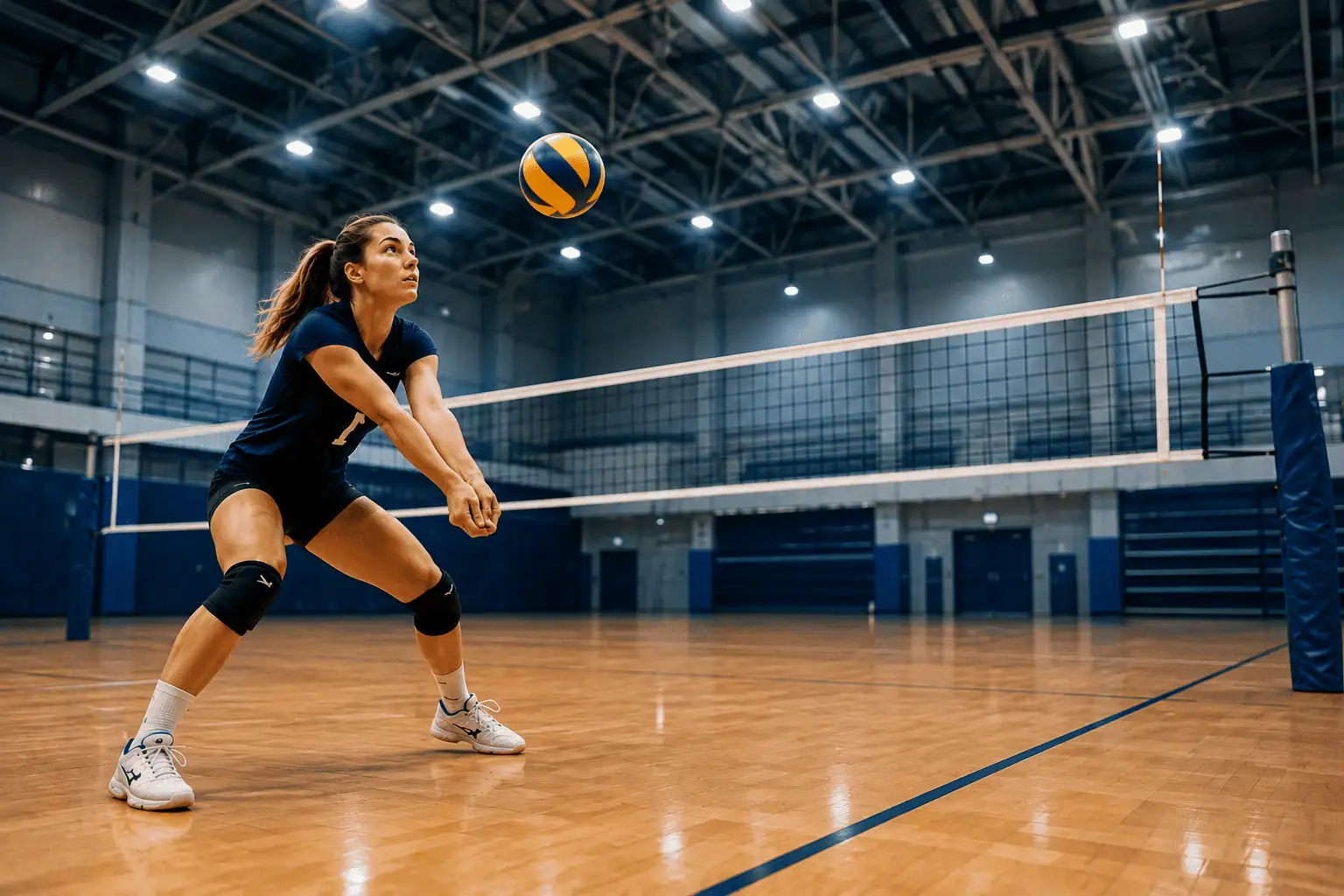
Whether you are learning volleyball for the first time, returning to the court, or looking for better ways to practice, the right drills can make each training session more productive. Volleyball drills give you focused repetitions for skills such as passing, setting, serving, hitting, blocking, and defense while also helping you improve movement and court awareness.
The best drills are not always the most complicated. A simple drill performed with good technique can help you build a stronger foundation, while game-like drills can teach you how to apply those skills when the pressure is on.
This guide covers effective volleyball drills for beginners, developing players, and more experienced athletes, including drills you can practice with a team, a partner, or even at home.
What Are Volleyball Drills?
Volleyball drills are structured practice exercises designed to help players develop specific skills such as passing, setting, serving, hitting, blocking, and defense. They give players repeated opportunities to practice techniques, improve consistency, and apply those skills in game-like situations.
For beginners and youth players, drills can build basic ball control and confidence, while more advanced drills can add movement, decision-making, pressure, and game situations.
Why Volleyball Drills are Important?
Volleyball drills help turn individual skills into consistent habits that you can rely on during a rally or match.
-
Build Strong Fundamentals
Regular repetitions help you develop proper technique for passing, setting, serving, hitting, blocking, and defense.
-
Improve Ball Control
Focused drills help you learn how to control the direction, height, and speed of the ball instead of simply getting it over the net.
-
Develop Footwork and Movement
Volleyball requires constant adjustment, so drills can help you move efficiently into position before making contact.
-
Improve Court Awareness
Game-based exercises teach you to read the ball, recognize open space, communicate with teammates, and react to changing situations.
-
Build Confidence
When a skill becomes familiar through consistent practice, you can perform it with greater confidence during competitive play.
Essential Volleyball Skills to Practice
Before choosing a drill, it helps to understand which part of your game you want to improve. A well-rounded volleyball practice should eventually include several of these areas.
-
Passing
Passing is used to control the first contact and help move the ball toward the setter.
-
Setting
Setting prepares an attack by giving a hitter a playable ball in the right location and tempo.
-
Serving
Serving starts the rally and can also put pressure on the opposing team.
-
Hitting
Hitting allows players to attack the opposing court with controlled and purposeful shots.
-
Blocking
Blocking helps defend the net by challenging an opponent’s attack.
-
Defense
Defensive skills help players keep attacking balls in play and transition back into offense.
-
Footwork
Quick, controlled movement helps you get into the right position before every contact.
-
Communication
Calling the ball and communicating with teammates can reduce hesitation and improve team coordination.
Best Volleyball Drills for Beginners
If you are new to volleyball, start with drills that give you plenty of controlled touches. The goal is to become comfortable with the ball before adding speed, pressure, or complicated movement.
-
Toss, Pass, Catch
What it is: A simple introductory drill that teaches the basic motion of forearm passing.
How to do it: Toss the ball a short distance in front of you, create a stable passing platform, and direct the ball toward a partner or target. Catch the return and repeat.
What it improves: Passing posture, platform control, hand-eye coordination, and confidence.
-
Self-Setting
What it is: A solo setting exercise that helps beginners become comfortable making overhead contact.
How to do it: Toss the ball above your forehead and set it straight upward. Try to keep the ball within a small area rather than chasing it around.
What it improves: Hand positioning, touch, control, and coordination.
-
Underhand Serve to a Target
What it is: A beginner-friendly serving drill that focuses on getting the ball over the net accurately.
How to do it: Choose a target area on the opposite side of the court and practice serving toward it. Start close to the net if necessary and gradually move back.
What it improves: Serving consistency, contact, direction, and confidence.
-
Partner Forearm Pass
What it is: A controlled partner exercise for developing basic passing accuracy.
How to do it: Stand several feet apart and exchange forearm passes. Start with easy passes and gradually increase the distance.
What it improves: Platform control, accuracy, movement, and communication.
-
Target Toss and Pass
What it is: A simple drill that teaches you to direct your pass toward a specific location.
How to do it: Have a partner toss the ball toward you while you pass it toward a designated target. Change the target as your control improves.
What it improves: Passing direction, body positioning, and accuracy.
Volleyball Passing Drills
Passing becomes much more useful when you can control the ball while moving rather than only passing from a stationary position.
-
Wall Passing Drill
What it is: A solo drill that lets you get repeated passing touches without needing a partner.
How to do it: Stand a safe distance from a wall and repeatedly pass the ball against it. Focus on keeping your platform stable and returning to a ready position after every pass.
What it improves: Ball control, platform consistency, reaction time, and repetition.
-
Passing to Target
What it is: A precision drill that teaches you to pass toward a specific location.
How to do it: Place a target where a setter would normally receive the ball. Have a partner toss or serve toward you and try to direct every pass into the target area.
What it improves: Passing accuracy, body alignment, and control.
-
Shuffle Passing
What it is: A movement-based passing drill that teaches you to get your body behind the ball.
How to do it: Have a partner toss balls slightly to your left and right. Shuffle into position before passing rather than reaching with your arms.
What it improves: Footwork, lateral movement, platform control, and reaction speed.
-
Butterfly Passing Drill
What it is: A continuous team drill that combines passing with movement and rotation.
How to do it: Players move through designated passing, setting, and ball-retrieval positions while the ball continuously moves around the court.
What it improves: Passing, communication, transition movement, and court awareness.
-
Pass and Transition
What it is: A progression that connects the first contact to the next phase of the play.
How to do it: Pass a coach or partner’s ball toward the target, then immediately move into your next court position instead of stopping after the pass.
What it improves: Passing, recovery movement, court positioning, and game awareness.
Volleyball Setting Drills
Good setting is about more than putting your hands around the ball. You also need balanced footwork, consistent contact, and the ability to move into position.
-
Wall Setting
What it is: A solo setting drill that helps players develop consistent hand position, touch, and control.
How to do it: Set the ball repeatedly against a wall while maintaining consistent hand position and body balance. Focus on keeping the ball at a controlled height and returning to a balanced position after each set.
What it improves: Setting touch, control, hand placement, and consistency.
-
Partner Setting
What it is: A controlled partner drill that helps players develop setting accuracy and consistency.
How to do it: Stand several feet apart and exchange controlled sets. Gradually increase the distance or add movement to make each repetition more challenging.
What it improves: Accuracy, communication, touch, and consistency.
-
Triangle Setting
What it is: A three-player setting drill that develops movement, communication, and accuracy from different positions.
How to do it: Three players form a triangle and set the ball from one player to the next. Rotate through the positions while focusing on moving into position and delivering controlled sets.
What it improves: Movement, court awareness, communication, and setting accuracy.
-
Set and Move
What it is: A movement-based drill that teaches players to recover and reposition immediately after setting.
How to do it: Set the ball to a partner or target, then immediately move to a new position before receiving the next ball. Stay balanced and ready to move after every set.
What it improves: Footwork, balance, recovery, and movement while setting.
-
Target Setting
What it is: A precision setting drill that teaches players to place the ball toward specific targets instead of simply sending it upward.
How to do it: Set up a target in a designated area and practice directing the ball toward it from different positions. Focus on consistent height, placement, and control.
What it improves: Placement, consistency, and control.
Volleyball Serving Drills
Serving practice should gradually move from simply getting the ball over the net to controlling where the serve goes.
-
Target Serving
What it is: Choose different areas of the opposing court and try to serve into each target.
What it improves: Accuracy, consistency, and placement.
-
Serve and Chase
What it is: Serve the ball, then quickly move into the court as if preparing to defend the return.
What it improves: Serving, transition movement, and readiness.
-
Distance Serving Challenge
What it is: Start closer to the net and gradually increase your serving distance as your consistency improves.
What it improves: Serving strength, control, and confidence.
-
Serve and Sprint
What it is: After serving, immediately sprint to a designated defensive position.
What it improves: Transition speed, conditioning, and game readiness.
-
Pressure Serving
What it is: Give yourself a target such as making five successful serves in a row or hitting a designated zone.
What it improves: Focus, consistency, and serving under pressure.
Volleyball Hitting Drills
Effective attacking starts before you ever contact the ball. Your approach, timing, body control, and recovery all affect the quality of the attack.
-
Approach Footwork Drill
What it is: Practice your attacking approach without a ball, concentrating on rhythm and controlled final steps.
What it improves: Approach timing, footwork, balance, and body control.
-
Toss and Hit
What it is: A partner provides a controlled toss while the hitter practices the approach and attacks the ball.
What it improves: Timing, arm swing, contact, and attacking confidence.
-
Target Hitting
What it is: Choose specific areas of the court and attempt to hit into those zones.
What it improves: Directional control, shot placement, and attacking accuracy.
-
Wall Spiking Drill
What it is: Use a safe wall target to practice controlled attacking contact.
What it improves: Arm swing, contact point, and control.
-
Continuous Hitting
What it is: Players receive repeated hittable balls and focus on recovering quickly between attacks.
What it improves: Consistency, recovery, timing, and attacking endurance.
Volleyball Blocking Drills
Blocking requires timing, footwork, body control, and the ability to react to an attack.
-
Blocking Footwork Drill
What it is: Practice moving along the net using controlled blocking steps before jumping.
What it improves: Lateral movement, positioning, and footwork.
-
Shadow Blocking
What it is: A coach or partner acts as the attacker while the blocker mirrors the expected movement without contacting a ball.
What it improves: Reading, timing, movement, and positioning.
-
Read and React Blocking
What it is: The blocker watches the attacker and moves according to the direction of the developing play.
What it improves: Reaction time, decision-making, and blocking positioning.
-
Block and Cover
What it is: After a blocking action, players immediately move into coverage positions.
What it improves: Blocking awareness, transition movement, and team defense.
Volleyball Defensive Drills
Defense is about more than diving for difficult balls. Good defenders learn to read the play, move early, and control the ball.
-
Reaction Digging Drill
What it is: A coach or partner sends balls to different areas of the court while the defender reacts and attempts to control each one.
What it improves: Reaction time, movement, digging, and body control.
-
Shadow Defense
What it is: A defender mirrors a coach or partner’s movements while maintaining a ready position.
What it improves: Footwork, balance, lateral movement, and defensive positioning.
-
Deep-to-Short Defense
What it is: Alternate between deep and short balls so the defender must quickly adjust position.
What it improves: Court coverage, reaction speed, movement, and awareness.
-
Scramble Drill
What it is: Players work to keep difficult balls alive and recover quickly after each contact.
What it improves: Hustle, communication, recovery, and defensive confidence.
-
Dig and Recover
What it is: After digging a ball, immediately return to a ready position for the next play.
What it improves: Recovery speed, defensive consistency, and readiness.
Game-Like Volleyball Drills
Once you have practiced individual skills, it is important to use them in situations that feel more like a real rally.
-
3-on-3 Mini Game
What it is: Play with three players on each side while encouraging controlled touches and communication.
What it improves: Decision-making, communication, movement, and ball control.
-
4-on-4 Controlled Game
What it is: Use a smaller team format to give every player more opportunities to contact the ball.
What it improves: Court awareness, teamwork, positioning, and decision-making.
-
Queen of the Court
What it is: Teams compete in short rallies, with the winning side staying on or moving toward the designated winning court.
What it improves: Competitive consistency, communication, and performance under pressure.
-
Free Ball Transition
What it is: Start with a free ball and require the receiving team to pass, set, and attack before transitioning into defense.
What it improves: Team organization, transition, communication, and game awareness.
-
Serve-to-Score Game
What it is: Begin each rally with a serve and award additional points for successful serves, quality passes, or successful attacks.
What it improves: Serving, serve receive, teamwork, and competitive focus.
Volleyball Drills You Can Do at Home
You do not always need a full court or a complete team to work on your volleyball skills. If you have a safe practice area, a ball, and a suitable wall, you can still get useful repetitions.
-
Wall Passing
Practice controlled forearm passes against a wall while maintaining your platform and ready position.
-
Wall Setting
Set repeatedly against a wall and focus on consistent contact and ball height.
-
Self-Setting
Set the ball straight upward while staying in control of your body and the ball.
-
Toss and Pass
Toss the ball slightly in front of yourself, pass toward a target, and reset.
-
Footwork and Shadow Defense
Practice shuffle steps, defensive positioning, and recovery movement without a ball.
Safety note: Make sure you have enough space and a suitable surface before practicing at home.
How to Choose the Right Volleyball Drill
The best drill depends on what you are trying to improve.
Beginners
Start with controlled passing, setting, serving, and movement drills that allow you to focus on technique.
Players Developing Specific Skills
Choose drills that give you repeated practice in the area you want to improve, such as serving accuracy or setting consistency.
Advanced Players
Add movement, pressure, decision-making, and game-like conditions to make your training more challenging.
Teams
Prioritize drills that develop communication, transitions, positioning, and decision-making in addition to individual technique.
How to Build a Volleyball Practice Routine
A good practice session should progress from controlled movements to more demanding situations.
-
Step 1: Start With a Dynamic Warm-Up
Prepare your body with light movement, mobility, and volleyball-specific footwork.
-
Step 2: Practice One or Two Technical Skills
Choose focused drills for passing, setting, serving, hitting, or defense.
-
Step 3: Add Movement
Once technique is consistent, introduce drills that require players to move before or after contacting the ball.
-
Step 4: Add Pressure
Use targets, time limits, defenders, scoring systems, or competitive challenges.
-
Step 5: Finish With Game-Like Play
Use a small-sided game or controlled rally drill to apply the skills you practiced.
Common Volleyball Drill Mistakes to Avoid
-
Focusing on Speed Before Technique
Performing a drill quickly does not help if your basic technique is inconsistent.
-
Standing Still After Contact
Volleyball requires constant movement, so learn to recover into a ready position after every touch.
-
Ignoring Footwork
Trying to reach every ball with your arms can lead to poor contact. Move your feet and get your body behind the ball whenever possible.
-
Practicing Without a Target
Giving every pass or serve the same general direction makes it harder to measure improvement.
-
Repeating the Same Drill Forever
Once a drill becomes easy, increase the difficulty instead of simply adding more repetitions.
-
Never Adding Game Pressure
Players eventually need to make decisions while moving, communicating, and responding to opponents.
Conclusion
The best volleyball drills are the ones that match your current ability and give you a clear reason to practice. Start with the fundamentals, build consistency through repetition, and gradually add movement, pressure, and game-like decision-making.
Whether you are practicing passing in your driveway, working on serving with teammates, or preparing for your next competitive match, structured practice can help you become a more confident and complete player.
Ready to take your volleyball skills to the next level?
Frequently Asked Questions
1. What are the best volleyball drills for beginners?
Begin with Toss, Pass, Catch, Self-Setting, Partner Forearm Pass, Underhand Serve to a Target, and simple wall drills. These exercises provide controlled repetitions while you learn the fundamentals.
2. What volleyball drills improve passing?
Wall Passing, Passing to Target, Shuffle Passing, Butterfly Passing, and Pass and Transition are useful options for developing control, movement, and accuracy.
3. What volleyball drills can you do at home?
Wall passing, wall setting, self-setting, toss-and-pass exercises, and volleyball footwork drills can be practiced at home when you have a safe space.
4. How often should you practice volleyball drills?
Beginners can start with two to three focused sessions per week. More experienced players may train more frequently as part of a structured program.
5. What are the best volleyball drills for teams?
Small-sided games, Butterfly Passing, Free Ball Transition, Serve-to-Score Games, and Queen of the Court can help teams combine individual skills with communication and decision-making.
6. How can volleyball drills improve my game?
Consistent drills help you build technique, ball control, movement, confidence, and the ability to apply skills during game situations.