Talk to us

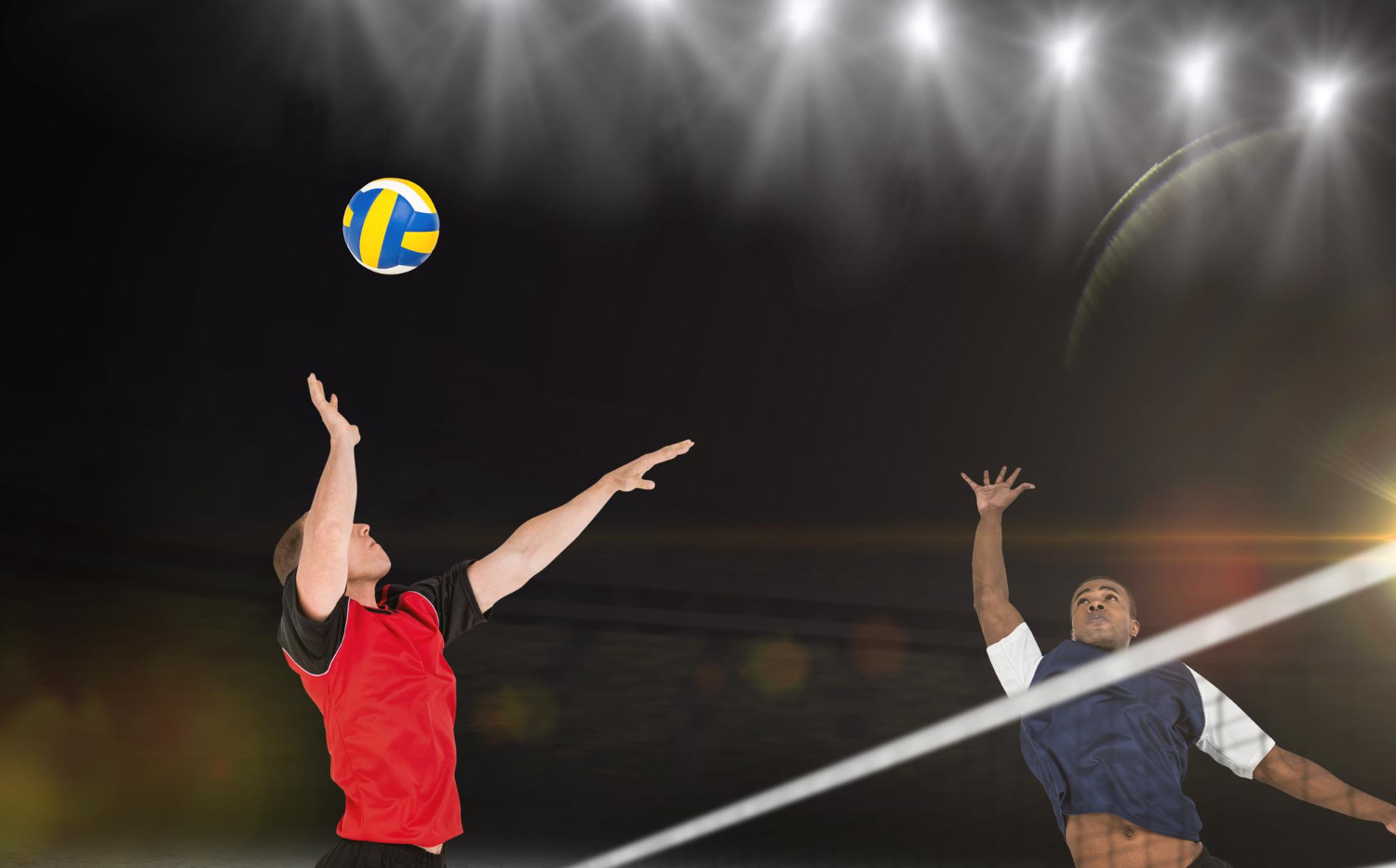
If you’re serious about taking your volleyball blocking skills to the next level, you’re in the right place. Blocking is one of the most powerful parts of the game, but mastering it takes practice, timing, and a lot of focus. Consistently practicing the right volleyball drills helps players improve reaction time, footwork, and net control. In this guide, we’ll go through a range of blocking drills that can help you sharpen your reflexes, improve your positioning, and build the confidence you need to stop even the toughest hitters. Whether you’re a beginner trying to get the basics right or an advanced player aiming for precision, these drills will help you level up your defensive game and make a real impact on the court. Let’s get started.
What is Blocking in Volleyball?
Blocking in volleyball is a defensive move where front-row players jump and raise their hands above the net to stop or slow down the ball from the other team. If the block sends the ball straight back into the opponent’s court, it can even score a point. And even if it doesn’t, it helps by slowing the ball down, giving your teammates more time to react and make the next play. It’s one of the most powerful ways to protect your side and take control of the game.
Why is Blocking in Volleyball Important?
Here’s why blocking plays an important role in Volleyball:
-
Defensive Action
Blocking is your first line of defense against an opponent’s attack. When you block correctly, you reduce the pressure on your back-row players and make it harder for the other team to score. It’s about protecting your court and keeping the ball where you want it.
-
Creating Time for Defense
Even when a block doesn’t fully stop the ball, it slows it down or changes its path. That gives your defense time to react and position themselves better. A good block helps your team stay organised and ready for the next move.
-
Intimidation and Error
A strong block can shake the confidence of the other team. When attackers see a solid wall waiting for them, they’re more likely to make mistakes, hit out of bounds, or play it safe. This mental edge can make a huge difference in close matches.
-
Controlling the Court
Blocking helps control where the ball goes. With good technique, players can angle the block to direct the ball to a teammate or into open space.
-
Direct Point Scoring
Sometimes, the best part of a block is when it scores instantly. A clean block that sends the ball straight back into the opponent’s court is one of the most satisfying plays in volleyball. It boosts morale and rewards solid teamwork.
-
Momentum and Psychology
A strong block can completely shift the energy of the game. It lifts your team’s spirit and puts pressure on the opponents. When your team starts blocking consistently, it builds confidence and creates momentum that can carry you through tough sets.
Core Principles of Effective Blocking in Volleyball
Here’s how you can build strong blocking fundamentals:
-
Stance and Footwork
-
Ready Stance
Before anything else, your body needs to be in the right position. A good ready stance means your knees are slightly bent, your weight is on the balls of your feet, and your hands are up and ready. This helps you react fast to whatever’s coming your way.
-
Efficient Movement
Good blockers move quickly along the net. Instead of hopping or dragging your feet, use small, controlled steps to shift side to side. This lets you stay balanced and in control while getting into the right spot.
-
Jump Technique
Timing your jump is just as important as how high you go. You want to jump straight up, not forward. A strong, quick jump with good form helps you stay in the air just long enough to meet the ball at the right moment.
-
-
Hand and Arm Position
-
Spread Hands
Keep your fingers wide and strong. Spread hands give you a bigger area to block and increase the chance of touching the ball.
-
Penetrate the Net
Your hands should cross slightly over the net, not just reach upward. This helps you take space away from the hitter and reduces the chances of the ball sneaking through.
-
Angle Hands
Slightly angle your hands toward the center of the court. This guides the ball down into your side of the net and makes it easier for your team to recover.
-
Keep Wrists Rigid
Loose wrists won’t do much at the net. Keep them strong and firm so that when the ball hits your hands, it bounces off with control and direction.
-
-
Timing and Reading
-
Anticipate
Blocking starts before the hitter even jumps. Watch their body language, arm swing, and the setter’s habits. Anticipating the attack gives you a head start.
-
Timed Jump
Jump too early, and the ball will go over you. Jump too late, and you’ll miss your chance. Work on timing your jump just as the hitter is about to swing. With practice, you’ll start getting it just right.
-
-
Teamwork and Strategy
-
Team Communication
Blocking works best when everyone’s on the same page. Talk with your teammates about who’s covering which hitter and when to double block. Clear communication helps close gaps and build trust.
-
Offensive Mindset
Blocking isn’t just defense. A good block can turn into a point if done right. Stay aggressive and look for chances to not only stop the ball but score with it.
-
Focus and Practice
Like anything in volleyball, great blocking comes with focus and repetition. Practice footwork drills, timing exercises, and hand positioning regularly. The more you train, the more natural your blocks will feel during a game.
-
Top Volleyball Blocking Drills You Should Know About
Whether you’re just starting out or have been on the court for years, practicing blocking the right way can make a huge difference in your performance. Here are some of the most useful drills for volleyball players of all levels.
Volleyball Blocking Drills for Beginners
These beginner drills are perfect for learning the basics of blocking like timing, body position, and hand placement.
-
Coach-on-a-Box Drill
- Purpose: Helps beginners develop timing, eye tracking, and proper arm positioning when going for a block.
- How it Works: The coach stands on a box near the net, holding the ball at a fixed height. The blocker practices jumping straight up and pressing their hands over the net, aiming to “block” the ball as if it were a real spike. This drill removes the unpredictability of live play and lets players build solid technique without rushing.
-
Wall Drill
- Purpose: Builds muscle memory for proper hand placement and full arm extension during a block.
- How it Works: Players stand close to a wall and practice jumping straight up, reaching as high as possible, and pressing their hands forward like they would during a real block. The wall helps them get used to extending their arms over an imaginary net and holding the right position. It also helps improve core balance and teaches players not to swing their arms or bend their elbows while blocking.
-
Toss-and-Block Drill
- Purpose: Develops basic reaction time and coordination when going for a block.
- How it Works: A coach or partner tosses the ball over the net, simulating an attack. The blocker has to time their jump and make contact at the peak of the toss. This helps beginners understand how to adjust their block based on the ball’s speed and angle. It’s a simple drill that trains anticipation and hand-eye coordination.
Advanced Volleyball Drills for Blocking
Once the basics are solid, these advanced drills help players read the game better, move quicker, and block more easily as part of a team. They’re designed to mimic real-game situations and develop high-level blocking instincts.
-
Matrix Drill
- Purpose: Trains players to recognise offensive plays and block attacks aimed at specific areas of the court.
- How it Works: In the matrix drill, the focus is on reading the setter and reacting to a specific type of play. The coach pre-assigns the attack to a zone, like a quick hit through the middle or a high ball to the outside. Players practice reading the setter’s cues and positioning themselves correctly before jumping to block. The goal is to improve anticipation and build confidence in reacting to real-game scenarios.
-
Blind Blocking
- Purpose: Sharpens a blocker’s instinct and reading ability by removing predictable cues.
- How it Works: In this drill, the blocker does not know where the setter will send the ball. They must rely solely on watching the setter’s body language and tracking the hitter’s approach. The element of surprise trains the blocker to stay alert and react quickly. Over time, players develop better anticipation and court awareness under pressure.
-
Calling the Ball
- Purpose: To improve communication, eye tracking, and tactical decision-making.
- How it Works: During blocking sequences, players must call out the ball’s location and what the setter is likely to do. r example, they might shout “outside” or “quick middle” based on where the setter is sending the ball. This habit helps everyone on the court stay aware and move in sync, especially during multi-player blocks. It also reinforces the importance of vocal leadership on defence.
-
Partner Penetration Drill
- Purpose: Develops proper hand technique, timing, and physical control when reaching over the net.
- How it Works: Two players stand on opposite sides of the net and mirror each other’s movements. They practice jumping, reaching their hands forward and over the net, and holding proper blocking posture. This repetition builds muscle memory for clean, sharp blocking form. It’s especially useful for building consistency and timing between two middle or outside blockers.
-
Cross Step to an Outside Block
- Purpose: To teach smooth, efficient footwork when moving laterally to block an outside hitter.
- How it Works: Players practice starting from the middle of the court, using a crossover step to reach the outside position. Once there, they jump and execute the block. This drill focuses on foot speed, body control, and timing the block to match the hitter’s jump. It’s a go-to drill for improving defensive coverage along the net.
-
Block and Run
- Purpose: Boosts agility, reaction speed, and transitions from blocking to full-court coverage.
- How it Works: Players begin by blocking at one spot, then immediately sprint or shuffle to another location (like the centre or opposite pin), then return to block again. This simulates match situations where a blocker must quickly reposition between plays. It strengthens endurance, builds muscle memory, and improves speed in switching from defence to attack and back.
-
Four-Blocker Peel
- Purpose: Builds coordination and rhythm among multiple blockers while teaching how to “peel” and reset.
- How it Works: Four blockers form two lines across the net. After executing a block together, the outside players “peel” off (move out and away) while the inside players practice crossover steps or footwork drills. This builds awareness and communication between blockers, especially in rotation-heavy plays.
-
Triple Block Practice
- Purpose: Improves timing, communication, and spacing when three blockers move together as one unit.
- How it Works: A coach sets up an attacking play, and three blockers must move together, jump in sync, and close any gaps between them. The emphasis is on timing, communication, and sealing the net as a unified front. This drill builds team chemistry and makes your blocking line much harder to break through.
-
Brian Rosen’s Game-Like Blocking Drill
- Purpose: Simulates realistic gameplay and trains blockers to adjust quickly to changing situations.
- How it Works: Blockers start in the middle, then shift to the outside, then off the net, and repeat. The continuous motion mimics real match scenarios, where blockers must reposition quickly and stay ready for the next play. It adds intensity to training and prepares players for the chaos of competitive games.
Common Blocking Mistakes to Avoid
Even if you’ve got the height and technique, small mistakes at the net can cost your team big points. Here are some common blocking errors you’ll want to avoid during a game:
-
Jumping Too Early or Too Late
Timing can make or break your block. If you jump too early, the hitter will wait you out. If you jump too late, the ball’s already past you. Don’t guess. Watch the hitter’s movements and time your jump with their swing. Stay grounded until it’s time to explode upward.
-
Opening the Gate
This happens when you turn your body or angle your hands sideways while blocking. It creates a gap between you and your teammate or between your arms and the net. Hitters spot that space in a second. Stay square, keep your arms strong, and close that gate.
-
No Penetration Over the Net
Reaching straight up isn’t enough. Your hands need to cross over the net into the hitter’s space. Think of it as invading their territory. Push your hands forward when you jump, not just upward. This makes your block more aggressive and harder to get past.
-
Looking Down Mid-Jump
The moment you take your eyes off the ball or the hitter’s hand, you’re at a disadvantage. Some players look at the net or the floor as they jump, which makes it harder to track the ball. Keep your eyes locked on the hitter’s approach and arm swing. That’s your clue for when and where to block.
-
Landing Off-Balance
Landing awkwardly not only throws you off for the next play but also increases your risk of injury. Aim for a strong, even landing with both feet under you. This helps you recover faster and get ready for the next move, whether it’s another jump or a quick transition.
-
Not Talking to Your Teammates
Blocking isn’t a solo job, especially during double blocks. If you’re not calling out positions, cues, or plays, you leave room for confusion. Clear, quick communication helps you close gaps and cover more ground as a unit. Talk before, during, and after the play.
-
Ignoring the Hitter’s Cues
Don’t just jump because the ball is on its way. Read the hitter. Watch their footwork, the angle of their shoulders, and how their arm swings. These little signs tell you what kind of shot they’re going for. The more you watch, the better you get at predicting and positioning your block.
Closing Thoughts
Blocking is more than just getting your hands over the net. It’s about reading the game, trusting your instincts, and staying patient enough to wait for the perfect moment. Every drill you practice builds not only your timing and strength but also your confidence as a defender. The more you train, the more natural it becomes to anticipate the play and shut it down. Keep showing up, keep learning, and let every block remind you why you love this game.
Take your volleyball journey to the next level with our expert-designed programs.
Frequently Asked Questions (FAQs)
1. What muscles do you use while blocking in volleyball?
Blocking uses a mix of upper and lower body muscles. Your shoulders and triceps help with arm movement, while your quadriceps, calves, and core give you the power to jump and hold your position at the net.
2. How can I get better at timing my blocks?
Pay close attention to the hitter’s approach. Instead of tracking the ball, watch their shoulder and arm swing. That will give you a clearer idea of when they’re about to spike, helping you time your jump better.
3. Is height really necessary for blocking?
Being tall definitely helps, but it’s not everything. If your technique, timing, and positioning are solid, you can still be a great blocker even if you’re not the tallest on the court.
4. How often should I work on blocking drills?
Practicing 2 to 3 times a week is a good target. Mix in drills for footwork, reaction time, and live blocking situations so you cover everything.
5. What’s the difference between a block and a dig?
A block happens right at the net to stop or deflect the ball before it crosses. A dig is more of a back-row move, used to keep the ball from hitting the ground after an opponent’s attack.
6. What does a soft block mean?
A soft block is when you don’t fully stop the ball but just deflect it slightly. This slows the ball down and gives your teammates time to react and set up a counterattack.
7. How do I coordinate blocking with my teammates?
Talk to each other constantly. Call out the direction of the hitter, decide who’s covering which side of the net, and make sure you both jump together to seal the block.
8. Should I focus on the ball or the hitter while blocking?
Keep your eyes on the hitter, especially their shoulders and arms. The ball moves fast, but the hitter’s motion gives you early clues about where the ball is going.
9. Can I practice blocking if I don’t have a partner?
Yes. You can do shadow blocking to work on your form and footwork. You can also use tools like resistance bands or a blocking board to practice hand placement and reaction speed.
10. What’s the difference between front-row and back-row blocking?
Only front-row players can legally block at the net. Back-row players focus on digging and can’t jump up to block like front-row teammates.
11. How do I avoid touching the net while blocking?
Control your jump by engaging your core. Instead of reaching straight up, try to press your hands forward and over the net. This helps you avoid accidental contact.
12. Can blocking be used as a strategy in beach volleyball or doubles?
Absolutely. In beach volleyball, blocking plays a big role. Usually, one player blocks while the other covers the backcourt. Players use hand signals behind their back to coordinate who’s covering what, making blocking a smart and strategic move.