Talk to us

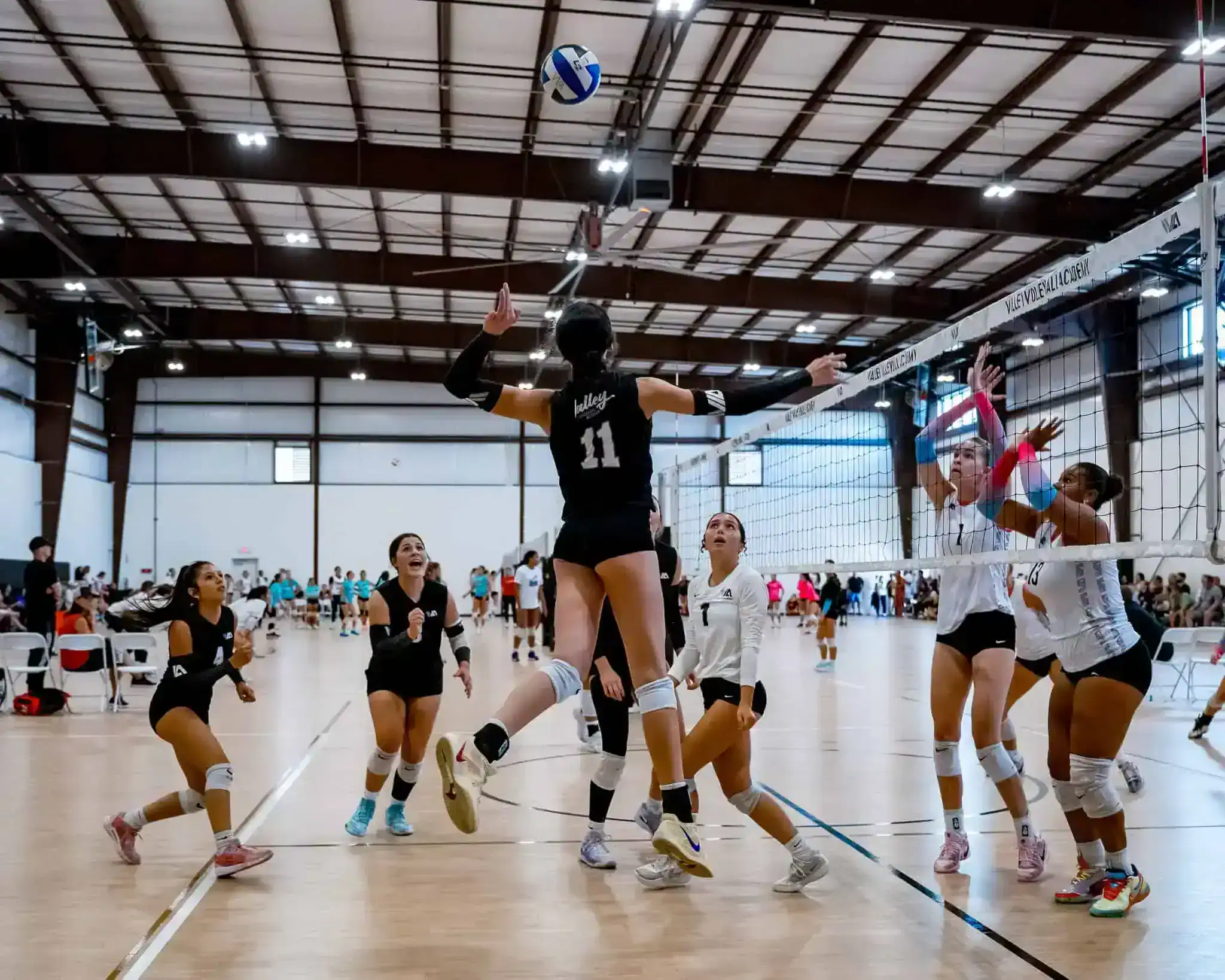
Before any great practice or match, there’s one thing every volleyball player needs, a solid warm-up. Whether you’re a beginner learning the basics, a teen athlete sharpening skills, or a team preparing for competition, the right volleyball warm-up drills make a huge difference.
At Valley Athletics, we see firsthand how a proper warm-up leads to quicker reactions, cleaner touches, and fewer injuries. When your body is ready, your game is better. Simple as that. Let’s get into how you can warm up the right way.
What Are Volleyball Warm-Up Drills?
Volleyball warm-up drills are exercises designed to increase body temperature, activate muscles, loosen joints, and prepare you for volleyball-specific movements. They mix cardio, dynamic stretching, mobility, footwork, and light skill touches so your body responds quickly when the real action starts.
From volleyball warm-up drills for beginners to advanced activation routines, these drills make sure you’re fast, sharp, and safe on the court.
Why Is Warming Up Important in Volleyball?
Warming up is more than doing a quick jog or a few arm swings. In volleyball, your body needs to be ready for fast reactions, explosive jumps, sudden changes of direction, and nonstop ball contact. A proper warm-up prepares your muscles, joints, and mind for everything that’s coming next, whether it’s practice or a competitive match.
Here’s why warming up matters so much:
-
Increases blood flow
A good warm-up gradually raises your heart rate, sending more oxygen-rich blood to your muscles. When your muscles are warm, they move more efficiently, react faster, and handle sudden bursts of power, like spikes and quick dives, with less risk of injury.
-
Lubricates joints
Your joints need movement before they feel “ready.” Warm-up drills stimulate the production of synovial fluid, which acts like oil for your joints. This reduces stiffness and allows smoother motion during actions like blocking, shuffling, or rotating your shoulders for serves.
-
Improves muscle elasticity
Loose, flexible muscles stretch better and are less likely to strain. Since volleyball requires jumping, landing, lunging, and reaching in awkward positions, elasticity is essential for safe movement.
-
Prepares tendons
Tendons, especially in the ankles, knees, and shoulders, take a lot of impact during volleyball. A warm-up activates them gently, increasing their readiness for explosive moves like approach jumps or quick stops.
-
Boosts coordination and balance
Dynamic warm-up drills help your body “wake up” the stabilizer muscles that support balance. This directly affects your timing on passes, your footwork patterns, and your ability to change direction without losing control.
-
Sharpens reaction time
Warm-ups don’t just activate muscles; they activate your nervous system. When your brain and body start communicating faster, you react to serves, blocks, and tips more quickly. This is crucial in a sport where rallies change in an instant.
-
Increases range of motion
Better mobility means more powerful swings, smoother transitions, and cleaner defensive movements. Players with a wider range of motion can open their shoulders for hitting, drop low for digging, and extend fully for blocks.
-
Aids mental preparation
Warm-ups help players shift from “everyday mode” to “game mode.” They build focus, reduce nerves, and create team energy. When players warm up with intention, they start practice mentally sharp and confident.
Looking for more drills? Browse our full collection of drills for all skills, from passing to serving.
Core Principles of an Effective Volleyball Warm-Up
Before diving into the best volleyball warm-up drills, here’s what every good warm-up should include:
-
Start with cardio
Light running, skipping, or shuffling raises your heart rate gradually.
-
Incorporate dynamic stretching
Movements like arm swings, lunges, and hip openers loosen your body without slowing reaction time.
-
Include sport-specific drills
Passing, setting, shuffling, and approach footwork get your muscles ready for volleyball actions.
-
Focus on power and landing
Warm up the muscles used for jumping and practice safe landings to protect your knees.
-
Gradually increase intensity
Begin slowly, then build up to faster and more explosive movements.
-
Conclude with high-intensity bursts
Short sprints or quick touches prepare you for match-speed play.
-
Cool down
After training, slow down with light stretching to help recovery.
Volleyball Warm-Up Drills
A good warm-up should flow from cardio → mobility → footwork → volleyball-specific touches. Here are the warm-up volleyball drills we recommend, starting with beginner-friendly options.
Volleyball Warm-Up Drills for Beginners
These volleyball warm-up drills for beginners are simple, safe, and effective for players learning correct movement patterns.
-
Jogging and High Knees
- Purpose: To activate leg muscles and elevate heart rate gently.
- How it works: Start with a light jog around the court. Transition into high knees, lifting your knees toward your chest while moving forward or in place.
-
Arm Circles
- Purpose: To warm up shoulder joints and increase mobility for serving and hitting.
- How it works: Begin with small arm circles, gradually making them larger. Rotate forward, then switch directions.
-
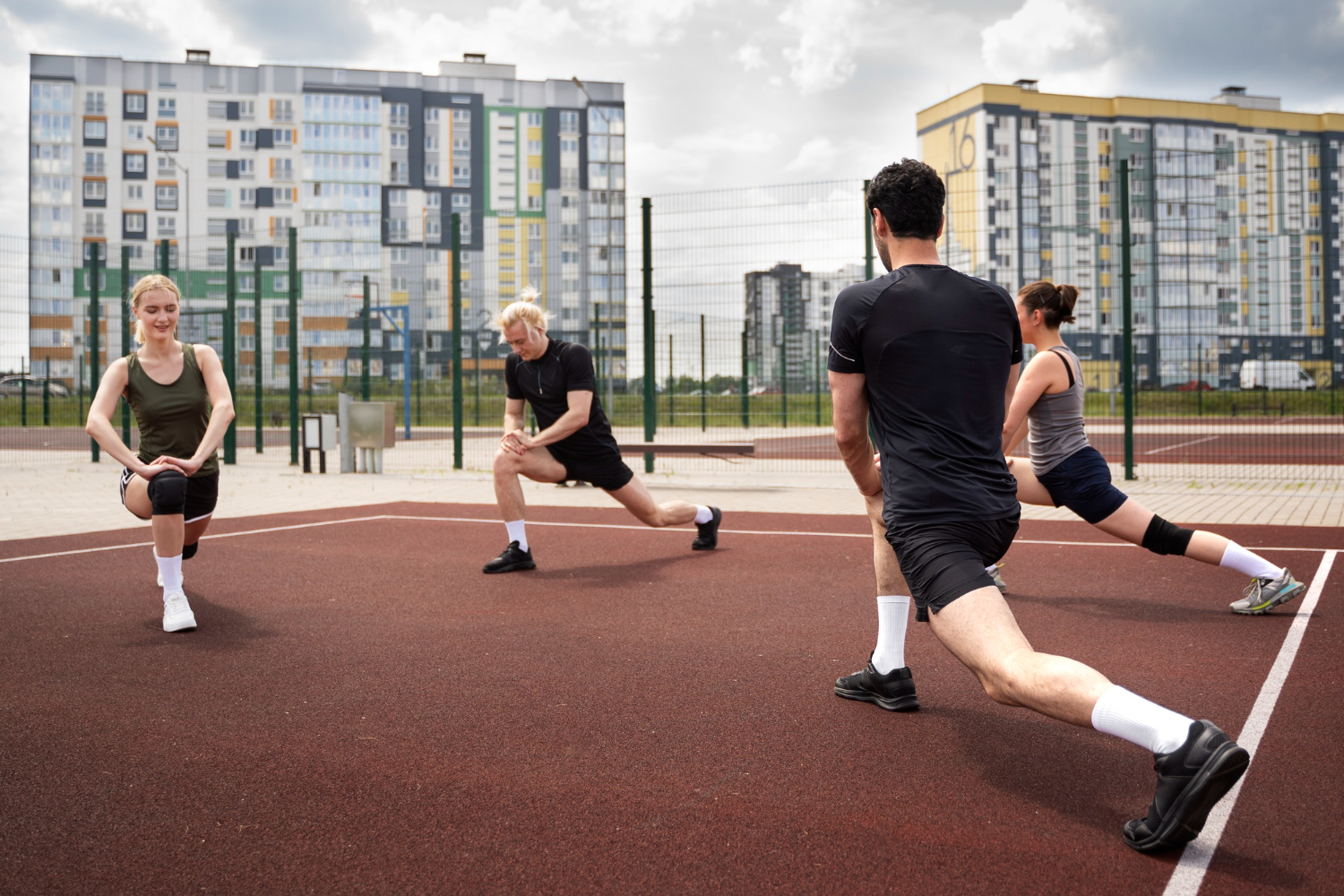
Lunges
- Purpose: To improve mobility, balance, and activate hips and legs.
- How it works: Perform alternating forward lunges with a torso twist. Follow with side lunges to warm up lateral movement.
-
Skips
- Purpose: To engage the hips, legs, and improve coordination.
- How it works: Skip forward, backward, and sideways. Maintain rhythm and lightness on your feet.
-
Court Shuffles
- Purpose: To practice volleyball footwork and defensive stance.
- How it works: Shuffle side-to-side along the court. Stay low, keep weight forward, and avoid crossing your feet.
-
“W” Drill
- Purpose: To simulate realistic court movement patterns.
- How it works: Players move in a W-shaped path: shuffle, run forward, and backpedal to mimic defensive transitions.
-
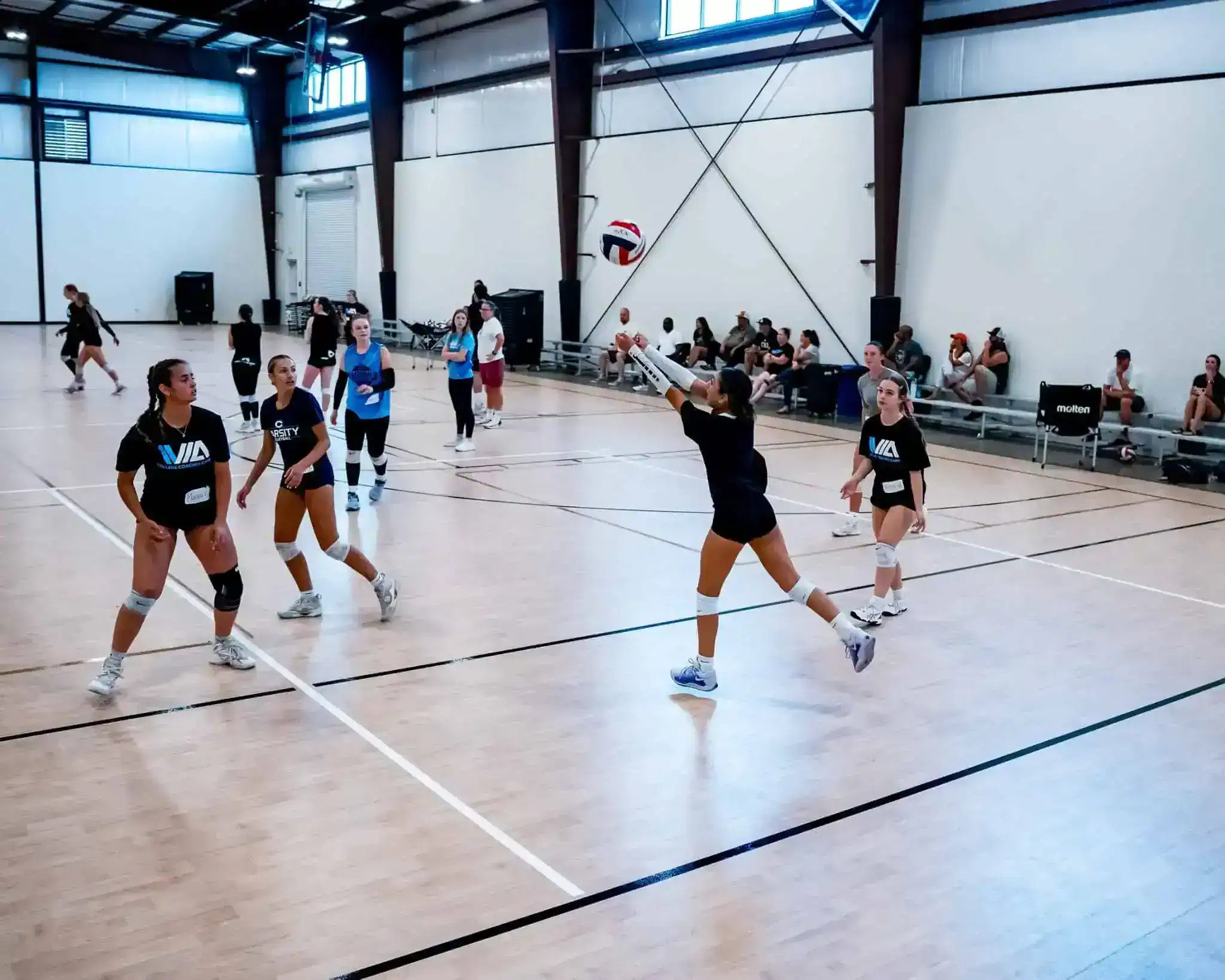
Partner Passing
- Purpose: To warm up forearm passing and platform stability.
- How it works: Pass the ball back and forth with a partner, focusing on straight arms, angle control, and clean touches.
-
Pepper
- Purpose: To warm up ball control, coordination, and footwork.
- How it works: In a group of three, pass-set-hit in a continuous cycle. Keep movements controlled and focus on footwork behind the ball.
-
Toss-Up Setting
- Purpose: To warm up overhead control and set hand shape.
- How it works: Toss the ball above your head and catch it softly in a setting position. Repeat with gentle self-sets.
-
Fizzles
- Purpose: To warm up consistent setting and ball feel.
- How it works: Toss the ball up, perform three low self-sets, and finish with a higher set.
-
Low Catch Passing
- Purpose: To prepare for low defensive movements.
- How it works: Toss the ball high, let it bounce once, then get low and catch it before the second bounce.
Advanced Volleyball Warm-Up Drills
These advanced volleyball warm-up drills add speed, pressure, and make you face game-like situations during your pre-practice routine.
-
Burn Drill
- Purpose: To boost intensity and focus while activating full-court movement.
- How it works: Play with one contact per side. After the ball crosses the net, all players rotate quickly. Coaches may add extra “chaos balls.”
-
First Ball Kill
- Purpose: To practice scoring immediately off serve receive.
- How it works: A coach or server sends a ball in. The receiving side passes, sets, and attacks quickly to score on the first play.
-
Serve Receive & Attack Drill
- Purpose: To simulate real match transitions from defense to offense.
- How it works: One team serves. The other receives the ball and must transition into an attack immediately.
-
Approach From Different Positions
- Purpose: To refine jumping mechanics and timing at all hitting positions.
- How it works: Players perform approach jumps from outside, middle, and opposite positions, focusing on footwork and explosive lift.
-
Defensive Movements
- Purpose: To condition realistic defensive actions.
- How it works: Players shuffle back at angles, sprawl, dive, and roll to simulate digging tough balls.
-
Short Ball / Long Ball
- Purpose: To train controlled passing at different distances.
- How it works: Three players rotate passing short balls to a wing player, then long balls across court, focusing on clean touches.
-
2v2 Passing Drill
- Purpose: To build communication and ball control under light pressure.
- How it works: Two players on each side pass the ball back and forth in a small space, emphasizing accuracy and loud calls.
-
Double Block Attacking Drill
- Purpose: To prepare hitters for attacking against real blockers.
- How it works: Two blockers position at the net while hitters warm up spiking against them.
-
Banded Hinge Pattern
- Purpose: To activate hips and glutes for explosive movements.
- How it works: Using a resistance band, players perform hip hinge reps to engage lower-body muscles needed in jumping and hitting.
Common Warm-Up Mistakes to Avoid
Even good players make warm-up mistakes. Here’s what you need to avoid:
-
Skipping the warm-up entirely
Not warming up and going straight into drills stiffens movement and increases injury risk.
-
Doing only static stretches
Static holds before activity can reduce power. Save static stretching for after practice.
-
Ignoring the upper body
Volleyball uses the shoulders constantly; warm them up with purpose.
-
Lack of focus
Treat warm-ups seriously. Lazy warm-ups lead to sloppy play.
-
Not hydrating
Always remember to drink water. Even during warm-ups, hydration supports endurance and performance.
A great warm-up sets the tone for a great practice. These warm-up drills for volleyball will help players move better, react faster, and stay injury-free. Whether you’re just starting or preparing for competitive play, a proper warm-up builds stronger habits and sharper skills.
At Valley Athletics, we help players develop physically and mentally, and that starts the moment you step on the court.
Ready to train smarter? Come visit our Fresno facility or join our academy to get started.
FAQs
1. How long should a volleyball warm-up last?
A solid warm-up usually takes 15–25 minutes, depending on player level and practice intensity.
2. Should I stretch after a volleyball game, too?
Yes. Static stretching after play helps with recovery and flexibility.
3. How can teams make warm-ups more engaging?
Add friendly challenges like timed pepper rounds or target passing games.
4. Can warm-up drills prevent injuries?
Definitely. Warm-ups increase mobility, muscle elasticity, and joint readiness.
5. Should warm-ups include volleyball skills?
Yes. Skill-based touches prepare your muscles and reactions for game actions.
6. How often should players do warm-up drills?
Before every practice and match. Consistency keeps your body ready and reduces injury risk.
Key Takeaways
- A proper warm-up prepares your body and mind for fast-paced volleyball play.
- Warm-ups improve blood flow, joint mobility, muscle elasticity, and reaction time.
- Beginners should focus on simple cardio, dynamic stretching, footwork, and basic passing drills.
- Advanced volleyball warm-up drills add pressure, speed, and game-like situations to boost readiness.
- Skipping warm-ups or doing only static stretches increases injury risk.
- A consistent warm-up routine builds better habits, sharper skills, and safer movement on the court.