Talk to us

Controlling the first ball is crucial for building your dominance in the game of volleyball. Missed passes limit your offense, break momentum, and drain confidence quickly. That is why learning the right volleyball serve receive drills matters so much.
In this guide, you will learn exactly what serve receive is in volleyball, why it shapes match outcomes, and which serve receive volleyball drills actually improve your consistency in the game.
What Is Serve Receive in Volleyball?
Serve receive in volleyball is the moment when your team handles the opponent’s serve and passes it to the setter. This first pass decides whether your team can attack properly or is forced to play defensively. It’s the start of every rally, so if the pass is controlled and accurate, your setter can choose the best hitter and run the offense smoothly. If the pass is poor, your team loses balance, options, and often the point.
Serve receive is how your team takes control after the serve. That is why most coaches spend significant training time on volleyball drills for serve receive.
What’s the Importance of Serve Receive in Volleyball?
Serve receive plays a big role in the game as it determines whether your team gets to attack on its own terms or spend the rally reacting under pressure. Teams that pass well consistently create scoring chances, while teams that struggle in serve receive often give control away before the rally even begins.
-
Creates Offense Opportunities
A controlled serve receive gives the setter multiple options instead of forcing predictable sets. When the first pass lands in the right zone, it’s easy for hitters to run attacks, outside swings, back-row plays, and combinations that keep blockers guessing.
-
Dictates the Flow of the Rally
Serve receive decides who takes the initiative. A clean pass puts your team on offense immediately, while a poor pass hands momentum to the opponent. Over the course of a match, this difference adds up and often decides close sets.
-
Neutralises Aggressive Serves
Modern volleyball serves are faster, flatter, and harder to read. Float serves move late, and jump serves arrive with speed and spin. With strong serve receive skills, players get the time and balance needed to absorb these serves instead of panicking or overcorrecting.
-
Reduces Free Balls & Easy Points
Poor serve receive often leads to high, off-target passes that result in free balls or weak attacks. This allows the opponent to transition easily and apply pressure. Consistent passing forces the other team to earn points through defense and blocking, not simple mistakes.
-
Builds Trust Across the Team
When passers are reliable, setters feel calmer, hitters swing with confidence, and communication improves naturally. That trust shows up in body language and decision-making, especially late in tight matches.
Looking for more ways to challenge your team? Check out our complete collection of drills for every skill level.
Key Principles of Serve Receive Volleyball Drills
Strong serve receive is not about reacting faster or hitting the ball harder. It’s about positioning, decision-making, and consistency. Following the below core principles of serve receive volleyball drills can make your passing more controlled and predictable, even against tough serves.
-
Start in a Ready, Athletic Position
The way you balance and control your body is important, as a controlled serve receive comes from steady forearms and quiet arms. You should stay low with bent knees, balanced weight, and relaxed arms. This position allows quicker movement and prevents late reactions when the ball changes direction.
Why this matters: A low, ready stance gives you more time to adjust and keeps passes under control instead of popping up or drifting off target.
-
Communicate Clearly
Serve receive works best when players talk to each other before and during the play. Calling the ball early avoids hesitation, especially when serves land between two passers.
Why this matters: Clear communication reduces confusion, prevents collisions, and helps the team move as one unit.
-
Read the Server, Not Just the Ball
Good passers begin reading the serve from the server’s body position, toss, and contact. This helps players anticipate direction, speed, and movement before the ball crosses the net.
Why this matters: Early anticipation reduces panic and allows players to move calmly into position instead of reacting at the last second.
-
Aim for a Playable First Contact
The goal of serve receive is not perfection every time. The priority is a pass that the setter can work with and turn into an attack.
Why this matters: Trying to force a perfect pass often causes errors, while a calm, playable pass keeps the rally alive and the offense running.
-
Train Movement, Not Static Passing
Serve receive volleyball drills should include footwork and movement instead of standing still. Real serves rarely land exactly where players start.
Why this matters: Practicing movement prepares players for game situations and reduces breakdowns under pressure.
Main Volleyball Serve Receive Drills
Volleyball Serve Receive Drills for Beginners:
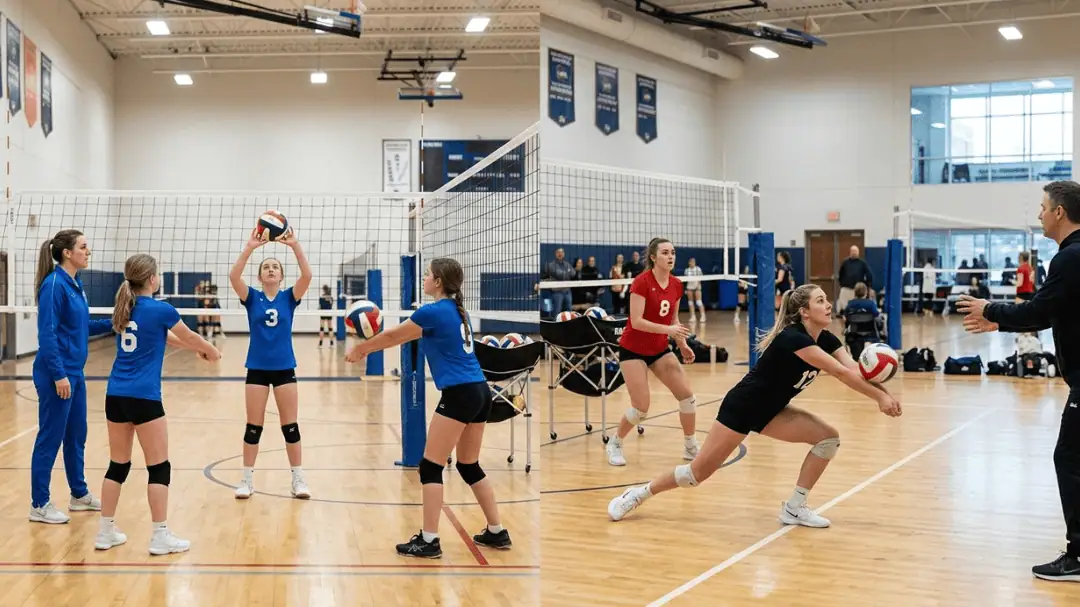
Beginner players need serve receive drills that focus on control, movement, and confidence rather than speed or power. These drills help players understand body positioning, footwork, and passing accuracy in a low-pressure environment before progressing to live serves.
Each of the following volleyball serve receive drills is built for beginners to help you master your skill and support consistent and reliable passing during matches.
-
Toss and Pass Partner Drill
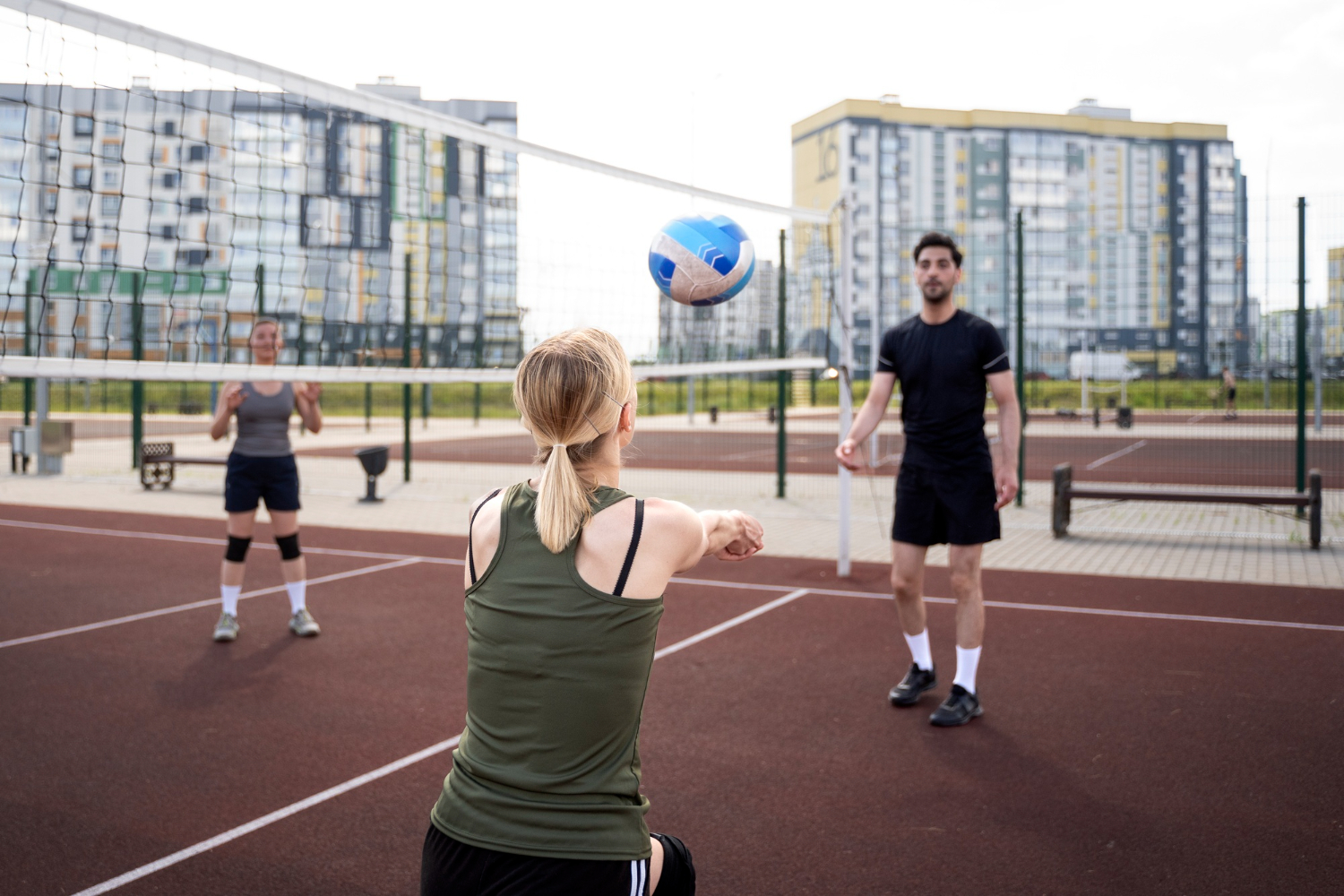
This drill helps beginners build a stable passing platform and develop proper body alignment. It teaches players how to control the ball using their forearms while keeping their shoulders and hips balanced toward the target.
How it works:
- Two players stand about fifteen feet apart.
- One player gently tosses an easy, predictable ball toward the passer. The passer focuses on keeping their arms straight, forming a flat platform, and directing the pass back to their partner using their legs rather than their arms.
- The drill should remain slow and controlled to encourage correct technique.
-
Low Catch Passing Drill
This serve receive volleyball drill trains players to stay low and use their legs for power instead of swinging their arms. It also builds comfort in maintaining a strong athletic stance throughout the pass.
How it works:
- A coach rolls or lightly tosses balls close to the ground.
- The player must move their feet quickly to get behind the ball and pass it upward using leg drive.
- Reaching with the arms is discouraged so players learn to rely on body positioning and balance.
-
Target Passing Drill (Coach or Setter Focused)
The purpose of this drill is to teach players how to control direction and accuracy by passing to a specific target, usually the setter’s position. It helps beginners understand how body angle affects where the ball goes.
How it works:
- A server sends an easy serve over the net.
- The passer aims to direct the ball toward a designated target rather than simply returning it.
- Players focus on opening their hips toward the target and adjusting their platform angle to guide the ball accurately.
-
Zone Movement Passing Drill
With the help of this serve receive volleyball drill, players can improve their footwork and learn how to pass balls that are not hit directly at them. It reinforces quick movement and controlled platform angles.
How it works:
- A coach tosses balls to different areas such as short, deep, left, or right.
- The player must shuffle their feet to get into position before passing the ball back toward the center of the court. The emphasis stays on moving first and passing second.
-
Three-Person Serve Receive Drill
This drill builds communication skills and teaches players responsibility in shared court spaces. It helps prevent hesitation and collisions during serve receive.
How it works:
- Three players stand in a line or small formation.
- When the serve comes over, players must clearly call “Mine” or “Yours” before passing.
- After each pass, players rotate positions to experience different angles and responsibilities.
-
Live Serve Receive with Scoring
This serve receive drill introduces game-like pressure while rewarding quality passes instead of simply keeping the ball in play. It helps beginners understand what a good pass looks like.
How it works:
- Two teams compete in serve receive.
- The serving team scores points for difficult serves or aces, while the receiving team earns points for accurate passes to the setter.
- This scoring system encourages focus, control, and teamwork.
-
Serve Receive Wave Drill
This drill teaches players how to move together as a unit and stay mentally engaged through multiple repetitions. It reinforces teamwork and consistency.
How it works:
- A server delivers the ball to a full back-row group and the players have to move together as a coordinated unit.
- Once the team completes a set number of quality passes, they rotate positions as a group and continue the drill, maintaining energy and focus.
Advanced Volleyball Serve Receive Drills:
Advanced players need to practice serve receive drills that replicate match pressure, force quick decisions, and demand consistent execution. These drills are designed to challenge footwork, communication, and mental toughness while reinforcing reliable first contact under stress.
-
21 Down
This drill builds consistency and accountability by attaching clear consequences to poor-quality passes. It teaches players to value control and precision, especially in high-pressure situations.
How it works:
- The receiving group begins with twenty-one points.
- Each poor pass results in points being deducted based on pass quality, while solid passes do not reduce the score.
- The drill continues until the team either reaches the success goal or drops to zero.
- In the advanced version of this volleyball serve receive drill, servers target seams and corners, and the receiving players rotate positions after successful passes to simulate real match conditions.
-
Wave Drill
This drill helps players practice serve receive from every court position while maintaining rhythm and focus under pressure. It reinforces patience and consistency across multiple rotations.
How it works:
- Players remain in one serve receive formation until they complete a set number of quality passes, usually three.
- Once the goal is reached, the entire group rotates together to the next position.
- In the advanced version, missed serves or failure to reach a higher pass target within a time limit results in physical consequences such as short sprints or conditioning work.
-
Six-Out Rotation Drill
This serve receive volleyball drill simulates full match play by requiring successful serve receive and side-out execution in all six rotations. It prepares teams for long rallies and rotation-based pressure.
How it works:
- The team must earn a successful side-out in each of the six rotations in order, rotating only after completing a clean serve receive that leads to a simulated point.
- The advanced version uses match-speed serves to challenge organization, communication, and composure during difficult transitions.
-
Active Feet & Cone Touches
This drill helps players develop quick footwork, balance, and recovery speed after serve receive. It trains them to stay low and transition efficiently after passing.
How it works:
- Players move backward to pass the serve toward the setter and immediately sprint to touch a cone while keeping their head below net height.
- In the advanced version, players must transition directly from the cone touch into an approach or controlled swing, reinforcing game-like movement patterns.
-
“Mine, Yours, Out” Drill (Three Players)
With the help of this serve receive drill, players can strengthen their communication and defensive effort. It encourages aggressive pursuit and clear decision-making in shared spaces.
How it works:
- Three players cover the serve receive area and must loudly call “Mine,” “Yours,” or “Out” on every ball.
- Players focus on opening their body toward the target to maintain clean passing angles.
- In the advanced version, the drill becomes competitive, with successful passes tracked and players encouraged to chase difficult balls to build resilient defensive habits.
5 Common Serve Receive Volleyball Drill Mistakes to Avoid
Many serve receive problems are not caused by difficult serves. They happen because of small technical mistakes that repeat over time. Identifying and fixing these habits early makes every volleyball serve receive more effective.
- Standing Too Upright: Standing tall slows your reaction time and makes it harder to move quickly. A lower stance helps you stay balanced and adjust to fast or short serves.
- Swinging the Arms: Swinging the arms creates uncontrolled passes and poor accuracy. Serve receive works best when power comes from your legs and body position.
- Late Communication: Calling the ball too late causes confusion and hesitation between players. Early communication helps everyone move with confidence and clarity.
- Poor Footwork: Reaching instead of moving puts your body off balance. Quick footwork helps you get behind the ball and pass with control.
- Breaking the Platform: Bent elbows or loose arms make the pass unpredictable. A firm, flat platform helps guide the ball accurately to the setter.
Mastering serve receive is easier with a coach watching your platform.
Conclusion
Serve receive can win you matches. When players master the first contact, everything else becomes easier and more confident. The right volleyball serve receive drills help players stay calm under pressure, reduce errors, and keep the offense flowing.
Whether you are just starting or preparing for competitive play, consistent practice with purpose-driven drills will transform your game.
Frequently Asked Questions (FAQs)
-
How often should I practice serve receive drills?
Practicing serve receive volleyball drills three to five times per week delivers the best results. Short, focused sessions still make a noticeable impact.
-
What counts as a perfect pass?
A perfect pass reaches the setter in the ideal zone, allowing every attacking option.
-
Can beginners practice serve receive without live serves?
Yes, beginners can benefit greatly from toss drills and controlled serves before progressing to live play for confidence building.
-
Which serve receive formation works best?
For beginners, the best serve receive formation is the five-pass systems, while advanced teams rely on three-pass formations.
-
How can I handle jump serves better?
Starting deeper, staying low, and reading the server early can help you handle jump serves better by improving your reaction time and control.
-
Is serve receive more important than defense?
Serve receive often matters more because it directly affects offensive execution.
-
Can serve receive drills work in small groups?
Many serve receive volleyball drills work effectively with just two to four players.
-
How can I reduce getting aced?
Improving footwork, reading the serve toss, and practicing against varied serve types helps significantly.
Key Takeaways
- Serve receive is the foundation of a strong volleyball offense and team confidence.
- Good serve receive depends on footwork, communication, and calm technique, not arm strength.
- Beginners should start with controlled toss drills before progressing to live serves.
- Advanced serve receive volleyball drills simulate match pressure and decision-making.
- Consistent practice of the right drills reduces aces and improves side-out success.