Talk to us

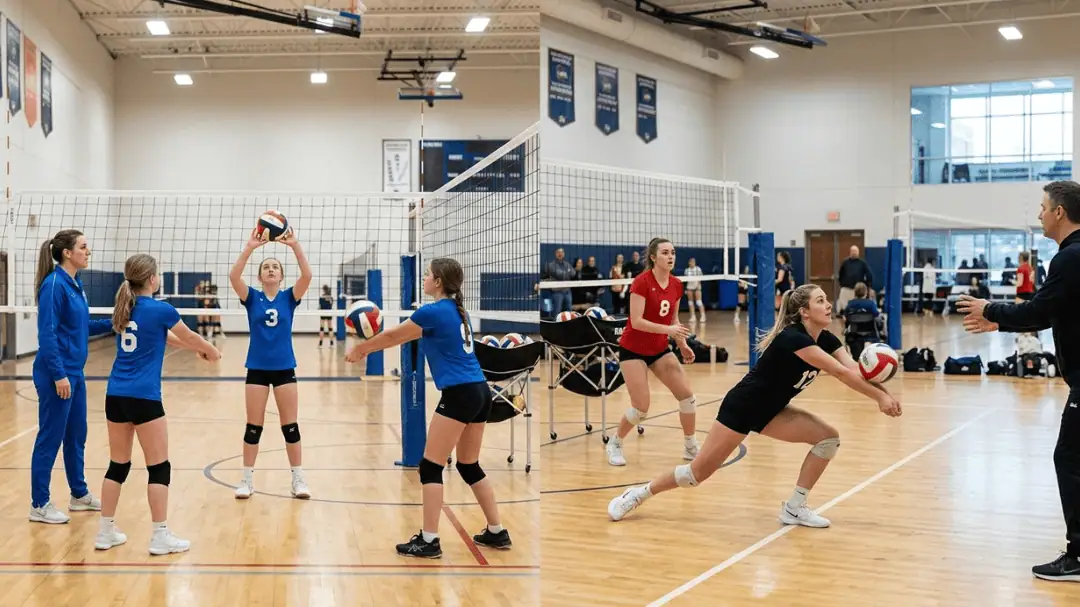
Strong teams are not built on power alone. They are built on control, consistency, and smart decision-making. That is where structured training and the right volleyball drills make a real difference. Whether you are just starting out or looking to improve your performance, focusing on the right fundamentals can completely change how you play the game.
In this guide, you will learn what ball control really means, why it matters in real matches, and how to improve it using effective volleyball drills. From beginner-friendly exercises to advanced training routines, these drills will help you build confidence, improve accuracy, and stay consistent under pressure.
What is Ball Control in Volleyball?
Ball control in volleyball is your ability to guide the ball exactly where you want it to go, no matter how fast or awkward it comes at you.
This includes passing, setting, digging, and even controlled attacks. It is not just about keeping the ball in play. Anyone can pop the ball up randomly. Real ball control means you can send a clean, usable ball to your teammate so the play can continue properly.
For example, when you receive a serve, the goal is not just to stop the ball from hitting the floor. The goal is to pass it cleanly to the setter so your team can run a proper attack. The same idea applies to digging and setting.
Good ball control makes the game feel calm and structured. Poor ball control makes everything rushed and messy.
Types of Ball Control in Volleyball
Ball control shows up in different situations during a match. Here are the main ones you should understand.
-
Free Ball Passing
Free balls are the easiest chances your team gets. These are soft balls that come over the net without much speed.
This is where strong teams separate themselves from average ones. A clean free ball pass should go straight to the setter’s area so your team can run any play. If this pass is off, you waste a perfect opportunity.
Players should call early, move behind the ball, and stay calm. Free balls should never feel rushed.
-
Off the Blocker’s Hands
Sometimes the ball takes a strange path after hitting the block. It might deflect quickly or change direction at the last moment.
This is where awareness and reaction matter. Players need to stay ready and adjust quickly. Good ball control here means turning an unpredictable touch into something playable instead of letting it drop or sending it out.
Teams that train this regularly are able to turn messy situations into scoring chances.
-
Out of System Plays
Not every pass will be perfect. When the first contact pulls the setter out of position, the team goes out of system.
In these moments, ball control becomes even more important.
Players need to stay calm and make smart choices. That could mean sending a high ball to the outside hitter, or simply returning the ball safely over the net. Trying to force a perfect play usually leads to mistakes.
-
Controlled Swings
Not every attack needs to be a powerful spike. Controlled swings are about placing the ball smartly instead of hitting it hard every time.
This could be a roll shot, a tip, or a controlled hit to a weak area in the defense.
Players with good ball control can change speed and direction easily. This helps them win longer rallies and keep the opponent guessing.
Why is Ball Control Important in Volleyball?
Ball control is what connects every part of the game. Without it, even simple plays become difficult. Here’s why it’s important:
-
Executing Strategy
Every team has a plan. But that plan only works if the ball is controlled properly.
If the pass is off, the setter cannot run the intended play. If the dig is wild, there is no chance to attack. Good ball control allows the team to follow through on their strategy.
-
Preventing Errors
A lot of points are lost because of simple mistakes. Bad passes, overpasses, and mishandled digs all come from poor control.
When players improve their ball control, these errors reduce naturally. This keeps rallies going and forces the opponent to earn their points.
-
In System Offense
Being in the system means your setter is in the right position and has multiple options.
This makes your attack stronger and more unpredictable. Good ball control increases the chances of staying in the system, which gives your team a big advantage.
-
Defensive Stability
On defense, the goal is not just to dig the ball. It is to dig it in a way that allows the team to transition into attack.
Clean digs that go to the middle of the court or near the setter help the team reset quickly. This creates smoother transitions from defense to offense.
-
Improved Consistency
Volleyball is all about consistency over time. One bad touch can undo a good rally.
Players with strong ball control perform at the same level throughout the match. This becomes even more important in long games where fatigue starts to show.
Core Principles of Ball Control in Volleyball
These are the basics that sit under every good pass, dig, and set.
-
Stable Platform
When passing or digging, your arms should stay steady. Your elbows should be straight and your wrists locked together.
Once the platform is formed, it should not move at the moment of contact. This helps the ball rebound cleanly.
-
Angle Control
The direction of your platform decides where the ball goes.
Instead of hitting the ball harder, players should focus on adjusting their angle. Small changes in angle can completely change the direction of the ball.
-
Body Position and Movement
Good ball control starts from your legs, not your arms.
Stay in a low, balanced stance. Move quickly using small steps. Try to get behind the ball instead of reaching for it.
-
Shoulder Steering
Instead of forcing the ball with your arms, use your shoulders and body to guide it.
Small adjustments in your upper body can help control direction without losing balance.
-
Absorbing Force
When the ball comes fast, you should not let it bounce off your arms uncontrollably.
Slightly relax your body and absorb the impact. Then guide the ball using your legs and core.
-
Active Feet
Your feet should never stay still for too long.
Keep adjusting your position before and after contact. This helps you stay balanced and ready for the next move.
-
High Pass Control
A high and controlled pass gives your team more time to react.
Instead of just getting the ball up, aim for a clean and predictable height. This makes it easier for your teammates to continue the play.
Volleyball Ball Control Drills
Now let’s move into actual drills you can use in training.
Volleyball Ball Control Drills for Beginners
-
Self Passing
Purpose:
Build a reliable forearm platform and improve overall control while staying balanced under the ball.
How it works:
Start in a ready position with your knees slightly bent and your weight forward. Toss the ball gently above your head and use a forearm pass to send it straight up. The goal is to keep the ball at a consistent height and directly above you.
After every contact, adjust your feet quickly so you stay under the ball. Do not stand still and wait for it to drop. Keep moving and repositioning yourself so each pass stays controlled.
As you get comfortable, you can make it harder by moving forward, backward, or side to side while keeping the ball under control.
Coaching tips:
- Focus on keeping your arms steady and locked
- Let your legs do the work instead of swinging your arms
- Keep your eyes on the ball and stay under it
- Set a target like 20 to 30 clean contacts without losing control
-
Setting to Self or Wall Sets
Purpose:
Improve hand control, consistency, and touch while setting.
How it works:
You can do this either by setting the ball to yourself or by using a wall.
When setting yourself, push the ball straight up using your fingertips and try to keep it coming back to the same spot. The ball should spin very little if your technique is clean.
If you are using a wall, stand a few feet away and set the ball so it hits a target area and comes back to you. Try to repeat the same motion again and again.
This drill helps you build control over height and direction.
Coaching tips:
- Keep your elbows slightly bent and relaxed
- Use your fingertips, not your palms
- Bend your knees before pushing the ball upward
- Try to keep a consistent rhythm
-
Pepper Drill
Purpose:
Combine passing, setting, and controlled hitting into one continuous drill.
How it works:
Stand with a partner about 2 to 3 meters apart. One player starts by hitting a controlled ball. The other player digs it cleanly. Then comes a set, followed by another controlled hit.
This pattern continues without letting the ball touch the ground.
At the beginner level, you can slow things down. Start with just passing and set. Once players are comfortable, add controlled hits or roll shots.
Coaching tips:
- Keep the hits controlled, not full power
- Focus on clean contacts instead of speed
- Maintain a steady rhythm between players
- Try to keep the rally going for as long as possible
-
Low to High Passing
Purpose:
Help players handle low balls and turn them into controlled passes.
How it works:
A partner or coach sends a ball low in front of you. You drop your hips, get your platform under the ball, and pass it upward toward a target.
After each repetition, return to your ready position and repeat.
This drill trains players to stay low and use their legs properly instead of panicking when the ball drops quickly.
Coaching tips:
- Keep your chest up even when you go low
- Do not swing your arms
- Use your legs to lift the ball
- Aim for a high and controlled pass
-
Pass Set Move Shuffle
Purpose:
Build coordination between passing and setting while moving.
How it works:
Start by tossing the ball and passing it to yourself. Immediately after the pass, shuffle one or two steps to the side and perform a set.
Repeat this pattern while moving along a line or open space. The goal is to stay in control while constantly changing position.
This drill helps players get comfortable switching between skills during movement.
Coaching tips:
- Keep your steps short and quick
- Stay balanced during every contact
- Do not rush from pass to set
- Focus on control over speed
-
Down Ball Drill
Purpose:
Develop controlled attacking and proper hand contact.
How it works:
Stand with the ball, toss it slightly above your head, and hit it down toward the ground using a controlled swing.
The ball should hit the ground and bounce back up in a predictable way. This shows that your contact is clean.
You are not trying to hit as hard as possible. The focus is on control and consistency.
Coaching tips:
- Reach high before making contact
- Hit the top part of the ball
- Use your wrist to guide the direction
- Start slow and increase power gradually
-
Ball Handling Fizzles
Purpose:
Improve soft hands and quick reactions during setting.
How it works:
Toss the ball slightly above your forehead. Then perform quick, small sets in a row without letting the ball go too high.
It should feel like you are tapping the ball repeatedly with control.
This drill builds touch and hand speed, which helps a lot during fast plays.
Coaching tips:
- Keep your knees slightly bent
- Stay relaxed and do not stiffen your hands
- Focus on clean contact every time
- Do short rounds instead of long tiring ones
Advanced Volleyball Ball Control Drills
-
Partner Down Ball Control
Purpose:
Improve control when dealing with faster and more aggressive balls.
How it works:
Stand with a partner about 3 to 4 meters apart. Both players take turns hitting firm down balls at each other. The goal is not to smash the ball as hard as possible, but to create a challenging but playable contact.
The defender focuses on absorbing the ball and directing it to a clean target instead of just reacting randomly.
Over time, you can increase the pace and difficulty as control improves.
Coaching tips:
- Stay low and balanced before contact
- Let your legs absorb the force, not your arms
- Focus on directing the ball, not just getting it up
- Track how many clean passes you can maintain in a row
-
Pass and Jump Set Progression
Purpose:
Connect passing with advanced setting movement and timing.
How it works:
Start with a toss or serve. The player passes the ball to a target area, then immediately transitions into a setter position.
From there, they move into proper footwork and perform a jump set to a specific target like the outside or middle.
This drill helps players learn how to move quickly from defense into offense.
Coaching tips:
- Focus on clean footwork before adding speed
- Keep your body square to the target while setting
- Use clear targets to improve accuracy
- Add a hitter once the basics feel comfortable
-
Rapid Fire Passing Drill
Purpose:
Build quick reactions, movement, and control under pressure.
How it works:
One passer stands ready while multiple tossers or feeders send balls quickly from different directions.
The passer must move, adjust, and pass each ball to a target without losing balance.
The pace should feel challenging but still controlled.
Coaching tips:
- Keep your feet active at all times
- Do not cross your feet while moving
- Stay low and ready for every ball
- Work in short bursts of 20 to 30 seconds
-
Block Dig Set Sequence
Purpose:
Train real game transitions from blocking to defense to offense.
How it works:
The player starts at the net and performs a block jump. As soon as they land, they move quickly into a defensive position.
A ball is then hit toward them. They dig the ball and immediately transition again into a setting position to complete the play.
This drill builds awareness, movement, and control across multiple actions.
Coaching tips:
- Focus on quick recovery after the block
- Keep movements smooth and controlled
- Stay balanced during every transition
- Build rhythm instead of rushing each step
-
Triangle Control Drill
Purpose:
Improve control, communication, and consistency in a small space.
How it works:
Three players form a triangle. The ball is kept in play using passes, sets, and controlled hits.
Each player must stay within the triangle and maintain clean contacts.
You can add rules like every player must touch the ball before sending it over.
Coaching tips:
- Keep the space tight to increase difficulty
- Focus on accuracy over power
- Communicate clearly before every touch
- Try to keep long rallies going
-
Reaction Digs
Purpose:
Improve reflexes and control in unexpected situations.
How it works:
The player starts in a difficult position, such as sitting, kneeling, or slightly turned away.
A partner sends the ball quickly, and the player must react and control it.
This trains quick thinking and emergency ball control.
Coaching tips:
- Start slow before increasing speed
- Focus on getting clean contact even in tough positions
- Use both arms for better control
- Keep sessions short and focused
Common Ball Control Mistakes in Volleyball
Here are some common ball control mistakes you should avoid:
-
Poor Platform Angle
If your platform is not angled correctly, the ball will not go where you want.
Many players try to fix this by hitting harder, which only makes things worse. The better approach is to adjust your angle early and let the ball rebound naturally.
-
Swinging the Arms While Passing
A lot of beginners swing their arms when passing. This makes the contact inconsistent and harder to control.
Your arms should stay steady. The movement should come from your legs and body.
-
Late Movement
Reaching for the ball at the last moment usually leads to bad contact.
Good ball control comes from getting into position early. This gives you time to stay balanced and make a clean pass.
-
Overusing Hands on Fast Balls
Trying to set very fast balls with your hands often leads to mistakes.
In these situations, it is better to use your forearms and keep the play under control.
-
Poor Communication
When players do not communicate, confusion happens. Two players might go for the same ball or both hesitate.
Clear and early calls make a big difference. Confident communication leads to better control.
Closing Thoughts
Ball control might not look exciting from the outside, but it is what decides most rallies.
When you can pass, dig, and control the ball consistently, everything else becomes easier. Your attacks improve, your defense becomes more stable, and your team plays with more confidence.
Start with simple drills and focus on clean technique. As you improve, move into more challenging situations that test your control under pressure.
If you stay consistent with your training, you will notice the difference not just in practice, but in real matches where it matters the most.
Want professional coaching and elite-level development? Train with experienced coaches and elevate your ball control, confidence, and overall performance.
Frequently Asked Questions (FAQs)
-
What is the best drill to improve volleyball ball control?
Pepper is one of the most useful drills because it combines passing, setting, and hitting in one continuous flow. It gives you a lot of touches in a short time and helps build overall control.
-
How often should I practice ball control drills?
Practicing 3 to 5 times a week works well. Even short sessions of 10 to 20 minutes can make a big difference if done regularly.
-
Can beginners do ball control drills?
Yes, beginners should focus heavily on ball control. Starting with simple drills helps build proper technique before adding speed or power.
-
How long does it take to improve ball control?
With regular practice, most players start seeing improvement in about 4 to 6 weeks. Consistency is what matters most here.
-
What position needs the most ball control?
Liberos and setters rely heavily on ball control because they handle the ball frequently. But in modern volleyball, every player needs to be comfortable controlling the ball.
-
What skills are included in ball control?
Ball control includes passing, digging, setting, and controlled hitting. It also depends on footwork, balance, and communication.
-
Are ball control drills different for younger players?
Yes, younger players should start with simple drills that focus on form and consistency. As they improve, more complex drills can be introduced.
-
How can I improve ball control at home?
You can practice wall passing, self setting, and simple toss drills. Even 10 to 15 minutes daily can help improve your touch and control.
-
What is the most important technique for ball control?
Maintaining a stable platform and staying balanced during contact is one of the most important parts of ball control.
-
Should ball control be practiced every day?
Most strong teams include ball control work in every practice. Regular repetition helps build consistency over time.
-
How do setters improve ball control?
Setters improve by practicing consistent hand placement and setting to targets. Repeating these movements builds accuracy and control.
-
How does ball control affect team performance?
Better ball control reduces mistakes, improves attacking options, and helps teams stay in control during rallies.
-
What type of training helps with ball control?
Strength, agility, and core training all support better ball control because they improve balance and movement.