Talk to us

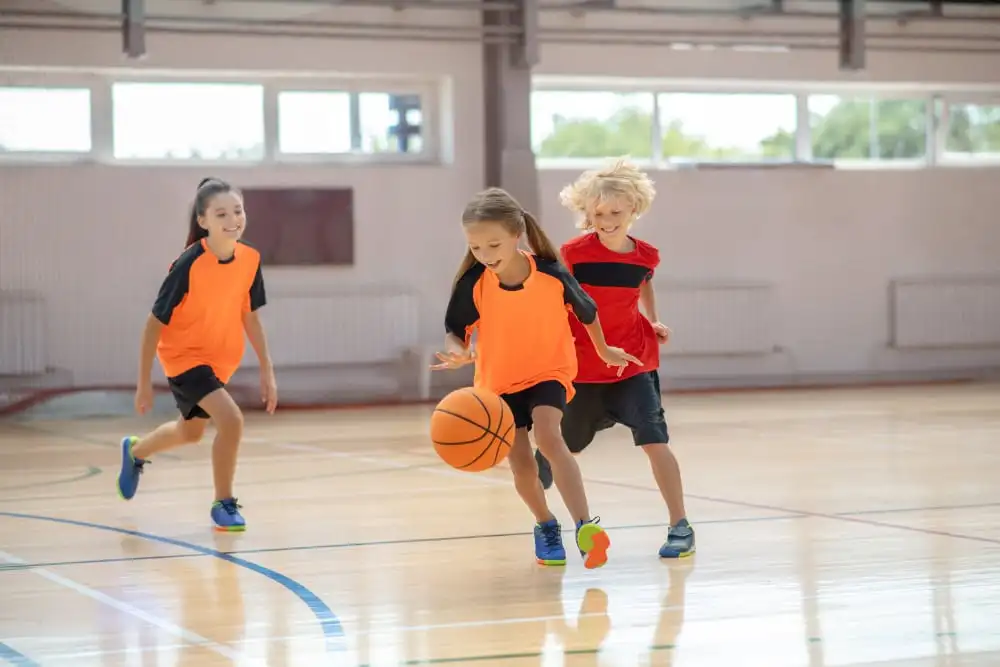
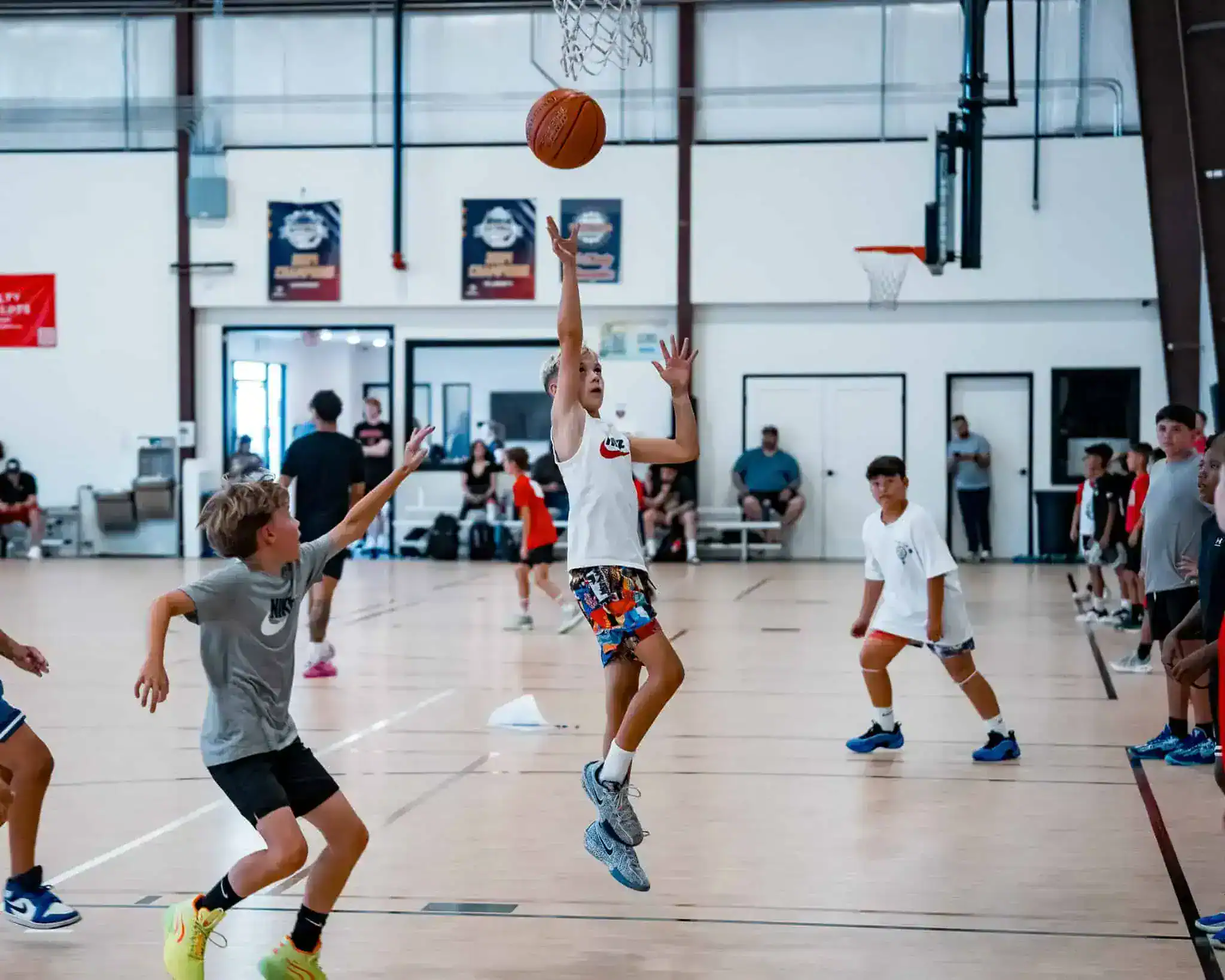
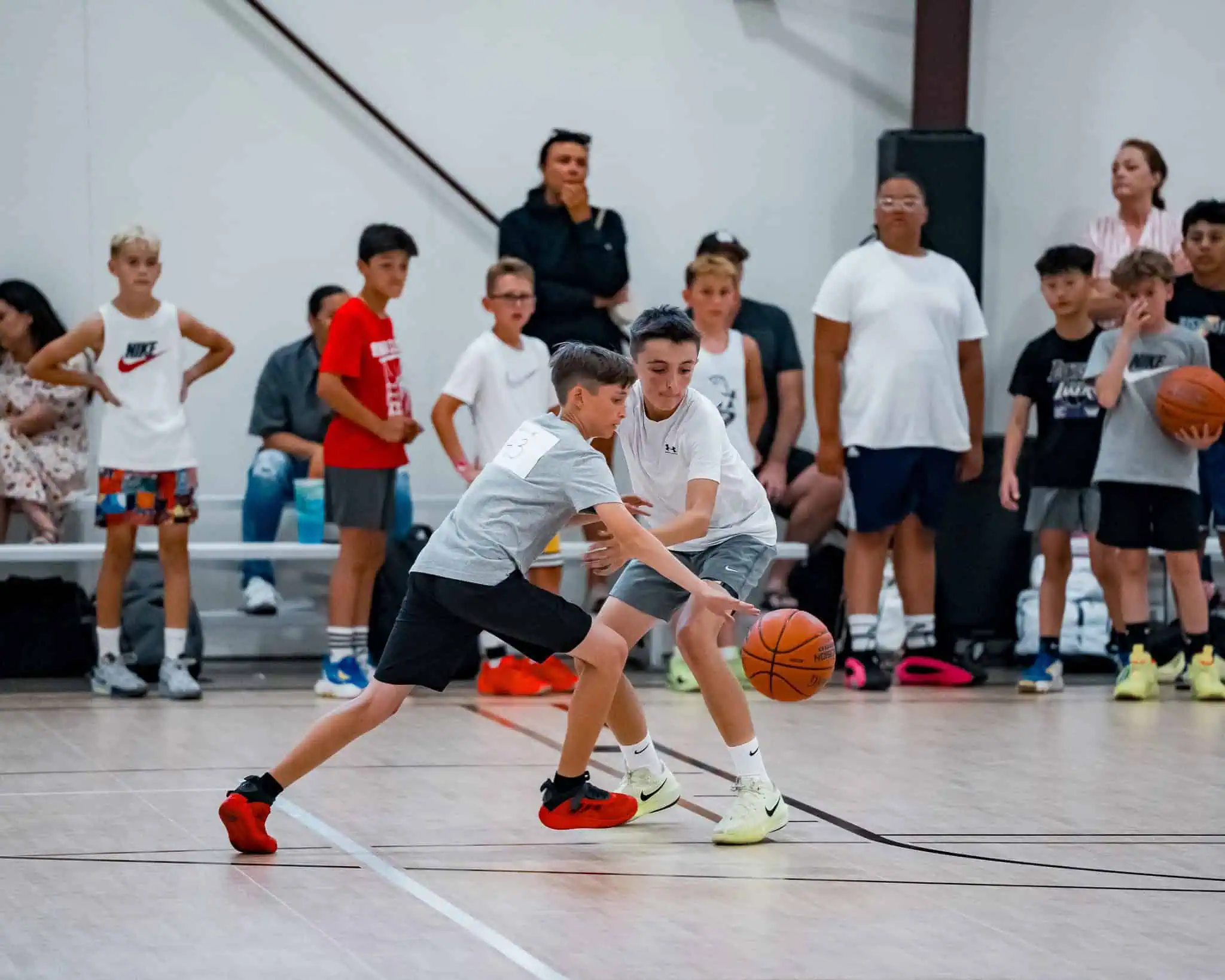
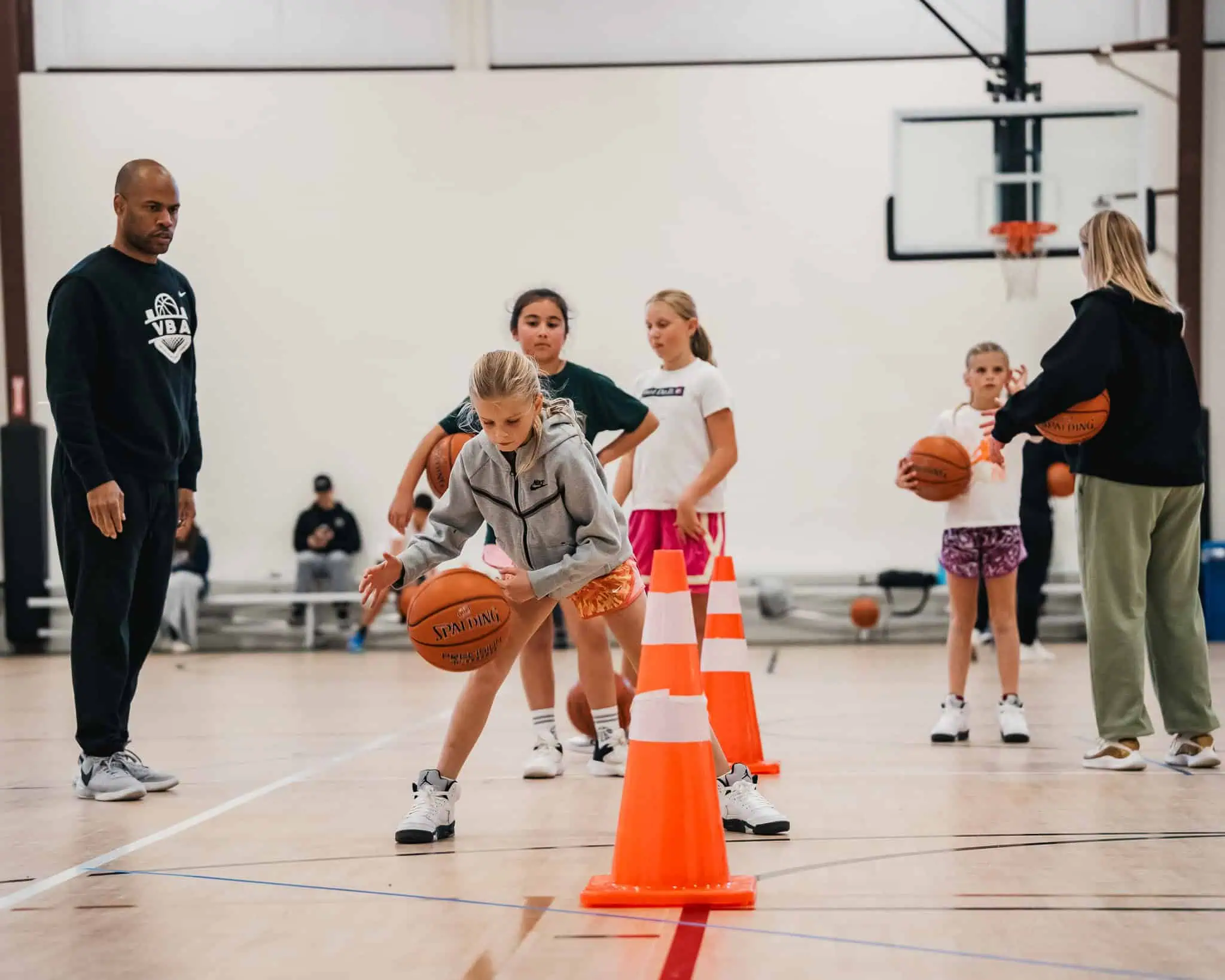
Basketball is more than a game of shooting, passing and scoring. The benefits of playing basketball include better cardiovascular fitness, coordination, agility, muscular endurance, focus, confidence, teamwork and communication. Because the sport combines running, jumping, changing direction and decision-making, it gives players a chance to work on several aspects of fitness and development at the same time.
For kids and teens, basketball can also be a practical way to stay active while learning how to work with others, respond to mistakes and build skills through practice. For adults, it can provide an enjoyable way to stay active and connected with other people.
What Are the Benefits of Playing Basketball?
The benefits of playing basketball can be grouped into three broad areas: physical, mental and social development.
| Type of benefit | What basketball can develop | What it looks like on the court |
|---|---|---|
| Physical | Fitness, coordination, agility and muscular endurance | Running, jumping, defending and changing direction |
| Mental | Focus, decision-making, confidence and resilience | Reading the court and responding to mistakes |
| Social | Teamwork, communication and cooperation | Passing, calling plays and supporting teammates |
Note: The exact benefits depend on how often someone plays, the intensity of participation, their age and their overall activity level. Basketball should complement other healthy habits rather than be treated as a complete fitness plan.
What Are the Physical Benefits of Playing Basketball?
Basketball combines running, jumping, stopping, starting and changing direction with skills such as dribbling, passing and shooting. That combination can make it a useful form of physical activity for players at different levels.
-
Cardiovascular Fitness
A basketball game or practice can repeatedly raise your heart rate as you run the court, defend, transition between offense and defense and recover between plays. Regular basketball practice challenges the body through repeated running, jumping, changes of direction, and quick movements, helping young players develop a stronger and more capable physical foundation.
-
Strength and Muscular Endurance
Basketball does not replace dedicated strength training, but regular play challenges the legs, hips, core and upper body. Sprinting, jumping, defensive positioning and repeated movement all require players to produce and control force.
-
Agility, Balance and Coordination
A player rarely moves in a straight line for an entire possession. You may sprint forward, stop, shuffle sideways, turn, jump and land within a few seconds. Dribbling and passing add another challenge because players have to coordinate their movements while watching teammates and opponents.
-
Bone-Strengthening Activity
Running and jumping are weight-bearing movements. The repeated running, jumping, and landing involved in basketball also gives young players weight-bearing activity that supports healthy bone development as they grow.
What Does Basketball Do for Your Body?
Basketball uses your body in several different ways rather than isolating one muscle group.
- Legs and hips: Running, jumping, stopping and defensive slides challenge the lower body.
- Core: Changing direction, maintaining balance and controlling your body during movement require trunk stability.
- Upper body: Passing, shooting, rebounding and ball control involve the arms and shoulders.
- Cardiovascular system: Repeated movement and recovery periods challenge your heart and lungs.
- Coordination: Dribbling, passing and shooting require your eyes, hands and feet to work together.
The result is a sport that combines movement, fitness and skill instead of separating them into completely different activities.
For players who want to improve the technical side of the game, basketball drills can complement regular games and practices.
Mental Benefits of Playing Basketball
Basketball is also a thinking sport. Players have to make decisions while moving, communicate with teammates and respond when a play does not go as planned.
-
Focus and Concentration
A player has to keep track of the ball, teammates, defenders, the shot clock and the developing play. That constant need to pay attention makes concentration part of almost every possession.
-
Decision-Making
Should you pass, drive, shoot or reset the offense? Those decisions often need to happen quickly. Small-sided basketball training has been studied for its effects on physical and physiological adaptations while also requiring players to make decisions in game-like situations.
-
Confidence
Confidence usually comes from progress rather than simply being told to “be confident.” Learning a new skill, seeing improvement and successfully applying something in a game can give players a stronger sense of what they can do.
-
Resilience
Basketball guarantees mistakes. Shots miss, passes get intercepted and defensive assignments are sometimes lost. Learning to move on to the next possession can help young players develop a healthier response to setbacks.
-
Discipline and Consistency
Improvement rarely comes from one great practice. Players have to return, practice fundamentals, listen to feedback and keep working on areas that do not come naturally.
If a player wants to turn that consistency into more structured development, learning how to improve in basketball can help connect individual practice with broader skill development.
Social Benefits of Playing Basketball
-
Teamwork
Basketball is difficult to play well as a group if every player is focused only on individual performance. Players need to pass, screen, defend, rotate and create opportunities for one another.
-
Communication
Players communicate verbally and through movement. Calling for a pass, communicating on defense or letting a teammate know about a screen can make a difference during a possession.
-
Cooperation
Different players have different roles. Learning how those roles fit together can teach young athletes to contribute even when they are not the person taking the final shot.
-
Friendships and Belonging
Practices, games and team activities give players regular opportunities to interact with people who share an interest in the sport. For many young athletes, that social experience is an important part of why they continue playing.
-
Leadership
Leadership in basketball does not always mean being the highest scorer. Encouraging teammates, communicating during difficult moments and taking responsibility for mistakes are also ways players can lead.
Benefits of Playing Basketball for Kids and Teens
For young players, the value of basketball goes beyond learning how to shoot or dribble.
Age-appropriate basketball can give children opportunities to develop movement skills, coordination, teamwork, confidence and decision-making while participating in physical activity. Research on adolescent basketball training has found improvements in several physical fitness measures, including strength, explosive power and lung capacity, although outcomes vary between studies and training programs.
The key is keeping training appropriate for the player’s age, experience and stage of development.
For younger children, that may mean more games, basic movement and simple skill activities. Older players can gradually take on more structured technical, tactical and physical training.
Parents do not need to treat every practice as a pathway to elite competition. For many children, enjoying the sport and building a positive relationship with physical activity are valuable outcomes on their own.
How to Get the Most Benefits From Playing Basketball
Simply playing more is not always the answer. The quality and balance of a player’s activity matter too.
A few habits can make basketball more productive:
- Practice consistently: Regular practice gives players more opportunities to develop skills.
- Work on fundamentals: Dribbling, passing, shooting, footwork and defensive movement form the foundation for more advanced play.
- Include game-like practice: Players need opportunities to make decisions rather than only repeat isolated movements.
- Stay active outside basketball: Other sports and physical activities can help young athletes develop a broader movement base.
- Allow time for recovery: Rest is part of training, particularly for growing athletes.
- Keep expectations age-appropriate: A 9-year-old and a 16-year-old should not be expected to train in exactly the same way.
- Keep the experience enjoyable: Long-term participation is easier to maintain when players enjoy the activity and feel supported.
Keep Building Your Basketball Skills
The benefits of basketball become even more meaningful when players have opportunities to practice consistently, learn sound fundamentals, and apply their skills in game situations. Whether a child is just discovering basketball or already playing competitively, age-appropriate coaching and regular practice can help turn those benefits into lasting habits.
For families in Fresno, Valley Athletics offers basketball camps, clinics, open gym sessions, and skill-development programs for players at different stages of development.
Ready to keep developing your game? Explore Our Basketball Programs Now!
FAQs
1. What are the main benefits of playing basketball?
The main benefits include cardiovascular fitness, muscular endurance, coordination, agility, balance, focus, decision-making, confidence, teamwork and communication. The specific benefits vary based on how a person plays and trains.
2. What are the physical benefits of playing basketball?
Basketball can support cardiovascular fitness, muscular endurance, coordination, balance and agility. Running and jumping also provide weight-bearing activity that can contribute to bone health.
3. Is basketball good cardio?
Yes. Basketball can provide cardiovascular exercise through repeated running, sprinting and other higher-intensity movements mixed with periods of recovery.
4. What does basketball do for your body?
Basketball challenges the legs, hips, core and upper body through running, jumping, defending, passing, shooting and changing direction. It also requires coordination between vision and movement.
5. Does basketball make you stronger?
Basketball can improve muscular fitness and explosive movement, particularly through activities such as jumping, sprinting and repeated changes of direction. It does not replace a dedicated strength-training program when maximal strength is the goal.
6. How does basketball help your mental health?
Playing a sport can provide physical activity, social interaction, structure and opportunities to develop skills and confidence. Basketball also requires players to focus and make decisions while dealing with mistakes and changing situations.
7. What are the social benefits of playing basketball?
Basketball can help players develop teamwork, communication, cooperation and leadership while giving them opportunities to interact with teammates and build friendships.
8. Can basketball help you lose weight?
Basketball can contribute to energy expenditure and an active lifestyle, but weight change depends on overall physical activity, food intake and individual factors. It is better to view basketball as one part of a healthy routine rather than a guaranteed weight-loss method.
9. Is it good to play basketball every day?
Not necessarily for every player. Training frequency should take age, intensity, other activities and recovery into account, especially for children and teens. Rest and variety are important parts of a balanced training routine.
10. At what age can kids start playing basketball?
There is no single age that works for every child. Younger children can start with simple, play-focused basketball activities, while more structured training can gradually increase as their coordination, attention and experience develop.
11. How Many Calories Does Basketball Burn?
The number of calories burned while playing basketball depends on factors such as body weight, intensity and how continuously someone is playing. While it is estimated that 30 minutes of basketball uses approximately 240 calories for a 125-pound person, 298 calories for a 155-pound person and 355 calories for a 185-pound person.