Talk to us

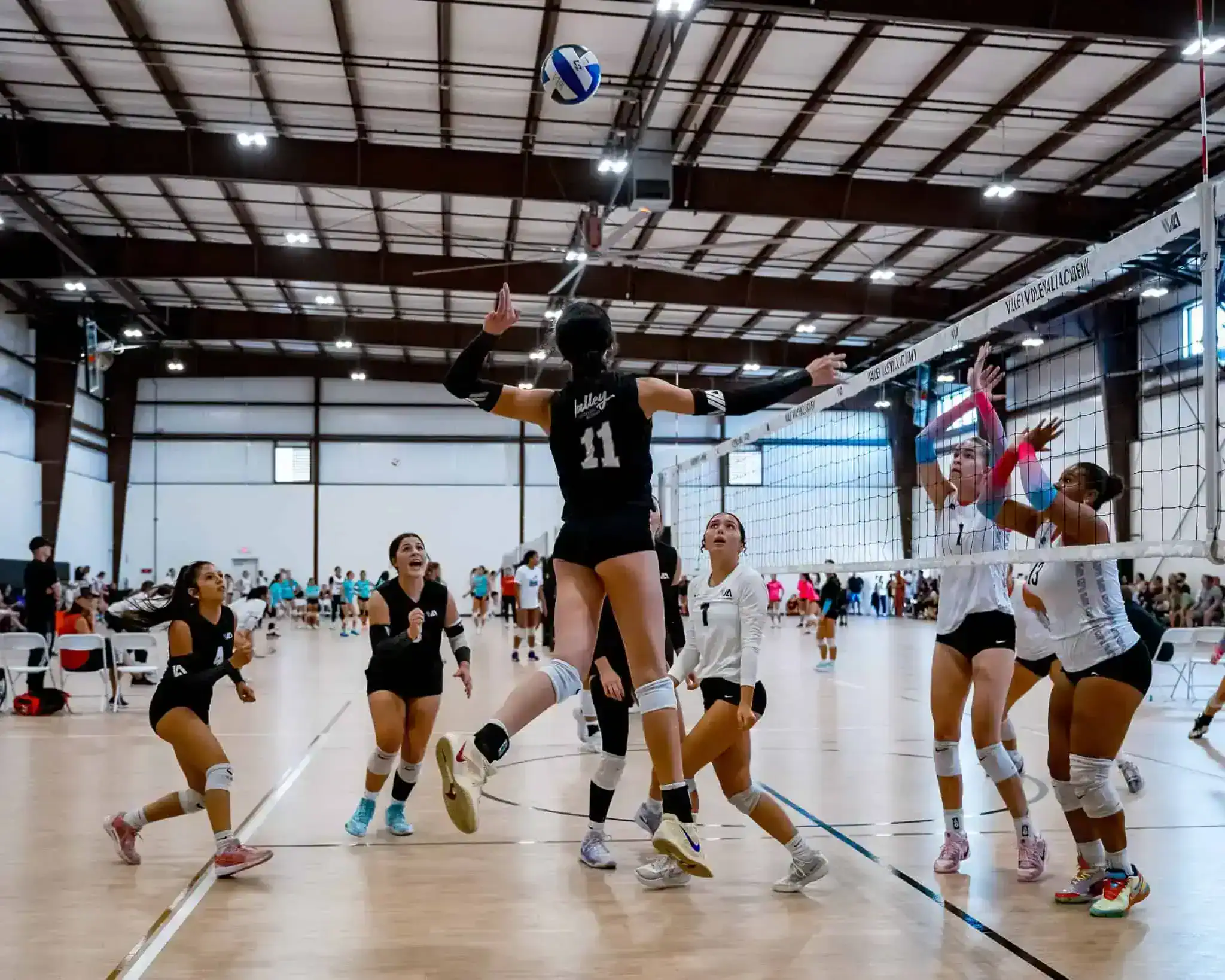
If you have watched a volleyball match, you have probably noticed one player who seems to be involved in almost every attack. That player is usually the setter. A setter in volleyball is responsible for taking the second contact and setting up a teammate to attack the ball. Think of them as the playmakers of the team. They decide who gets the ball, where the attack goes, and how quickly the team plays. A good setter can make it much harder for the opposition to predict the next move. In this blog, we will look at the setters role, the skills you need to play the position, the rules to follow, and ways to improve your setting.
What Does a Setter Do in Volleyball?
A setter in volleyball has several decisions to make in the middle of a rally. They need to figure out which teammate is ready to attack, where the opposing blockers are positioned, and how much time they have to set up the play. Sometimes, the pass arrives exactly where they need it. Other times, they have to move quickly and adjust their plans. Here’s how these responsibilities play out during a match.
- Setting Up Attackers: The setter delivers the ball to a teammate near the net so they can spike it. The ball needs to reach the right spot at a comfortable height, giving the hitter enough room to approach and jump.
- Choosing Who Gets the Ball: A setter can choose between the outside hitter, middle blocker, or opposite hitter. For example, if the opposing middle blocker moves early to stop a quick attack, the setter might send the ball to the outside hitter instead.
- Controlling the Pace: A quick set gives blockers less time to react, while a higher set allows the hitter more time to approach. The setter chooses the pace based on the pass, the hitter’s position, and the type of attack the team wants to play.
- Reading the Defense: Setters watch the opposing blockers and defenders to find openings. If one side of the court is less protected, they can direct the attack toward that area.
- Handling Difficult Passes: The first pass does not always reach the setter perfectly. They may need to move away from the net or chase the ball across the court. In these situations, the priority is to deliver a playable set rather than force a complicated attack.
- Using the Setter Dump: Instead of setting up a teammate, the setter can send the ball over the net on the second contact. This is called a setter dump. It can catch defenders off guard when they expect another set, but using it too often makes the move predictable.
Setters also communicate with their teammates, call plays, and adjust their decisions when a rally does not go according to plan. These responsibilities require good technique as well as an understanding of what is happening on the court.
Essential Skills Every Volleyball Setter Needs
You can learn to set at any experience level, but getting comfortable with the basic technique will make a noticeable difference. Here are the areas worth working on as you learn the position.
-
Footwork and Positioning
Before you can make a good set, you need to get to the ball. Setters should move their feet to get underneath the pass instead of stretching their arms from wherever they happen to be standing. Try to arrive balanced, with your body facing the direction you want the ball to travel. This becomes particularly important when the first pass takes you away from your usual position near the net.
-
Hand Position and Ball Contact
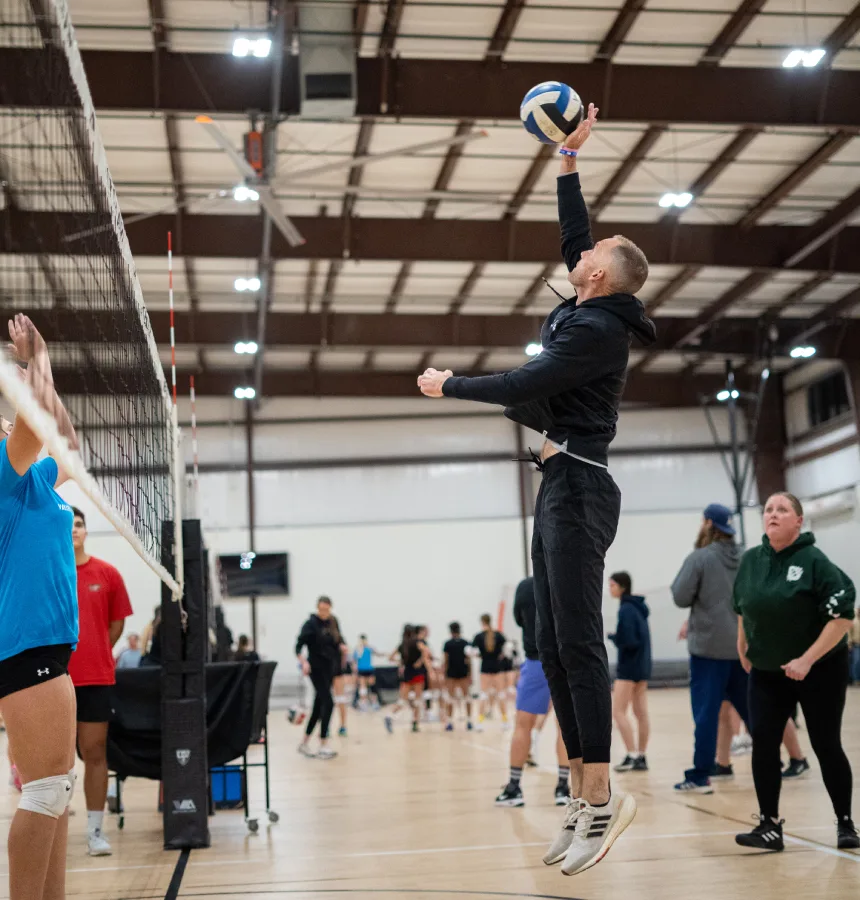
For an overhead set, bring your hands above your forehead and spread your fingers comfortably. Your hands should form a loose window through which you can track the ball. Contact the ball with your fingertips and use your legs and arms together to guide it. Avoid catching, holding, or throwing the ball, as these actions can result in a fault.
-
Accuracy and Control
Your hitter needs a ball they can attack without having to change their approach at the last moment. Start by practising sets to the same spot, paying attention to the height and distance of each ball. Once you can place the ball consistently, practise setting to different positions around the net. Accuracy matters more than trying to make every set fast.
-
Decision-Making
Setters often have only a moment to choose their next move. They need to judge the quality of the pass, check which hitters are ready, and notice where the blockers are moving. For example, a poor pass might make a quick set too risky, while a good pass could give the setter several attacking options. Learning to recognise these situations takes practice and match experience.
-
Court Awareness and Communication
A setter should know where their teammates are before the ball reaches them. If a hitter is late to their approach or the middle blocker is already waiting at the net, the setter may need to change the plan. Communicate with your hitters during practice, too. Understanding their preferred set height and timing makes it easier to deliver balls they can attack comfortably.
-
Composure Under Pressure
A setter will make mistakes, just like every other player. The important part is being able to move on quickly. If a pass goes badly or a set misses its target, focus on keeping the next rally alive instead of dwelling on the previous one. Staying calm helps you make better decisions when the score is close.
-
Front-Row vs. Back-Row Setter
A setter’s position affects what they can do near the net. Both can run the offense, but front-row and back-row setters have different attacking and blocking restrictions.
- Front-row setter: Can attack and block, including using a setter dump, as long as they follow the normal rules.
- Back-row setter: Can still set and jump, but cannot block or complete an attack from the front zone when the ball is entirely above the net. They can jump-set from behind the attack line.
How Does Rotation Work for a Setter?
In volleyball, players rotate clockwise when their team wins the right to serve from the receiving team. These volleyball rotations determine where players must stand when the serve takes place.
The setter rotates along with everyone else. Once the service has been contacted, players can move toward their preferred playing positions and carry out their roles, provided the team was correctly positioned at the time of the service and follows the applicable rules. The setter usually moves toward the area near the net where they can reach the first pass and prepare the next attack.
Teams generally use one of two systems to organise their setters.
- The 5-1 System: In the 5-1 rotation system one setter handles the setting duties in all six rotations. This means the same player runs the offense throughout the match. Their volleyball positions change as the team rotates, so they will sometimes be in the front row and sometimes in the back row.
- The 6-2 System: Whereas in the 6-2 rotation system two setters share the role, with the back-row player taking responsibility for setting. When that player rotates to the front row, the other setter takes over. This system usually allows the team to keep three front-row attackers available.The choice depends on the team’s players and how the coach wants to organise the offense. Both systems have their advantages, and neither is automatically the better option for every team.
Setter in Volleyball Rules You Should Know
Setters follow the same basic rules as other volleyball players, but their position creates a few situations worth understanding. For example, being in the front row affects whether they can block, while being in the back row affects how they can attack near the net. The table below covers the common situations. Exact interpretations can vary depending on the competition’s rulebook.
| Action | Rule |
|---|---|
| Serving | A setter can serve when it is their turn in the rotation. |
| Blocking | A front-row setter can block. A back-row setter cannot complete a block. |
| Attacking | A front-row setter can attack legally. A back-row setter must follow the restrictions on attacks from the front zone. |
| Setter Dump | A setter can send the ball over on the second contact, provided the play is legal. |
| Jump Setting | A back-row setter can jump and set. The normal back-row attack restrictions apply if they send the ball over. |
| Double Contact | A second-contact double contact is not automatically a fault when the contacts occur during one action and the ball is next played by a teammate. The ball still cannot be caught or thrown, and rules can vary by competition. |
| Catching or Carrying | A setter cannot catch, hold, or throw the ball. The contact must be clean. |
How to Become a Better Setter in Volleyball
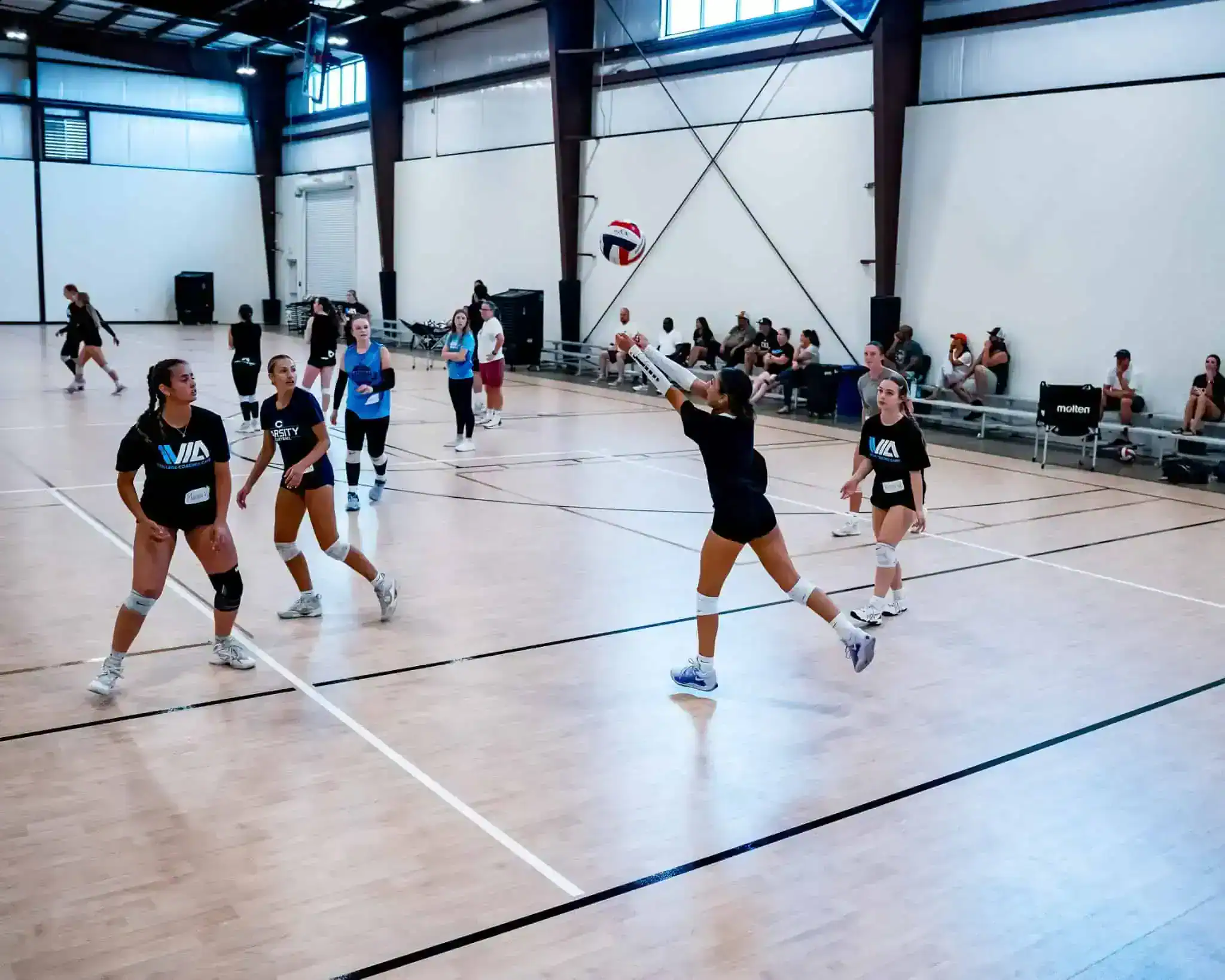
If you are learning to set, begin with simple exercises that help you control the ball. Stand a short distance from a wall and practise sending the ball to the same spot. Pay attention to your hand position and try to keep the height consistent. Once you feel comfortable, work with a partner who can toss the ball to you.
Your next step is learning to move before setting. Ask your partner to send passes slightly to either side so you have to adjust your position. This prepares you for real rallies, where the first contact rarely lands exactly where you want it.
After that, practise with a hitter. Try different set heights and distances, then ask your teammate which balls are comfortable to attack. You will learn that setting is not simply about sending the ball toward the net. The ball needs to reach a position that suits the hitter’s approach.
Watching match footage can also help you understand how experienced setters read blockers and choose their targets. For more practice ideas, try these volleyball setting drills to work on accuracy, footwork, and timing.
Common Mistakes Setters Should Avoid
One common mistake is reaching for the ball instead of moving into position. This often leads to inaccurate sets, especially when the pass travels away from the net. Make an effort to get your feet underneath you before making contact.
Another problem is always setting the same hitter. If the opposing team knows where the ball is going, its blockers can prepare early. You do not need to use every attacking option in every rally, but learning when to change direction makes your offense harder to read.
Some setters also try to force a quick attack when the first pass is poor. Not every rally allows for a fast play. Sometimes, a higher set gives your hitter a much better chance of making a successful attack.
Finally, do not assume your hitters know what you are planning. Communicate during practice and pay attention to their timing. If a play changes, adjust rather than trying to force the original plan.
Final Thoughts
The setter has a major influence on how a volleyball team attacks, but you do not have to learn everything at once. Start by getting comfortable with your hand position, footwork, and accuracy. Once those basics feel more natural, work on reading the court and deciding which teammate to set. The more you practise with other players, the easier it becomes to understand what makes a set useful and how your decisions can help the team score.
Players looking to develop their volleyball skills can explore VVA in Fresno
Frequently Asked Questions
-
How many setters are there in volleyball?
Most teams use either one setter in a 5-1 system or two setters in a 6-2 system. The choice depends on the team’s preferred formation and the players available.
-
Can a setter in volleyball play another position?
Yes. A setter can learn and play other positions, especially at beginner and recreational levels. In competitive volleyball, players usually specialise in a primary role, although the setter still rotates through all six court positions during a match.
-
Is there a height requirement for a volleyball setter?
No. There is no fixed height requirement. Taller setters may have an advantage when blocking and attacking at the net, but shorter players can succeed through accurate setting, quick movement, court awareness, and good decision-making.
-
Is setter a good position for beginners?
Yes, if you enjoy handling the ball and making decisions. Setting can take time to learn because it requires coordination and accuracy, but beginners can start with simple wall drills and partner exercises.
-
Is setter the hardest position in volleyball?
It depends on the player. Setters must make quick decisions, control the team’s offense, and stay composed under pressure. Other positions have their own challenges, so there is no single position that is hardest for everyone.
-
Can a setter serve in volleyball?
Yes. Setters can serve when their rotation brings them to the service position. They follow the same serving rules as the rest of the team.
-
Can a setter hit the ball over the net?
Yes. A setter can attack or dump the ball over the net when the play is legal. A back-row setter must follow the restrictions on attacking a ball that is entirely above the net.
-
Can a setter block?
Yes, if the setter is a front-row player. A back-row setter cannot complete a block.
-
Why is the setter compared to a quarterback?
Both players help organise their team’s attack and decide which option to use. A setter distributes the ball to hitters, much as a quarterback directs plays toward teammates. The comparison is about their role in organising the offense.
-
How should beginners practise setting?
Start with wall sets to develop hand position and accuracy. Then practise with a partner, work on moving toward off-target balls, and gradually introduce sets to different attacking positions. Focus on control before speed.